
Lifestyle
Shein Outperforms Australian Retailers on Ethics in Major Fashion Report
A new industry review reveals that fast-fashion giant Shein is outperforming several Australian retailers when measured against ethical standards. The Baptist World Aid report dives into the supply chain, contrasting Shein's performance with established brands and highlighting the growing consumer demand for transparency in fashion.
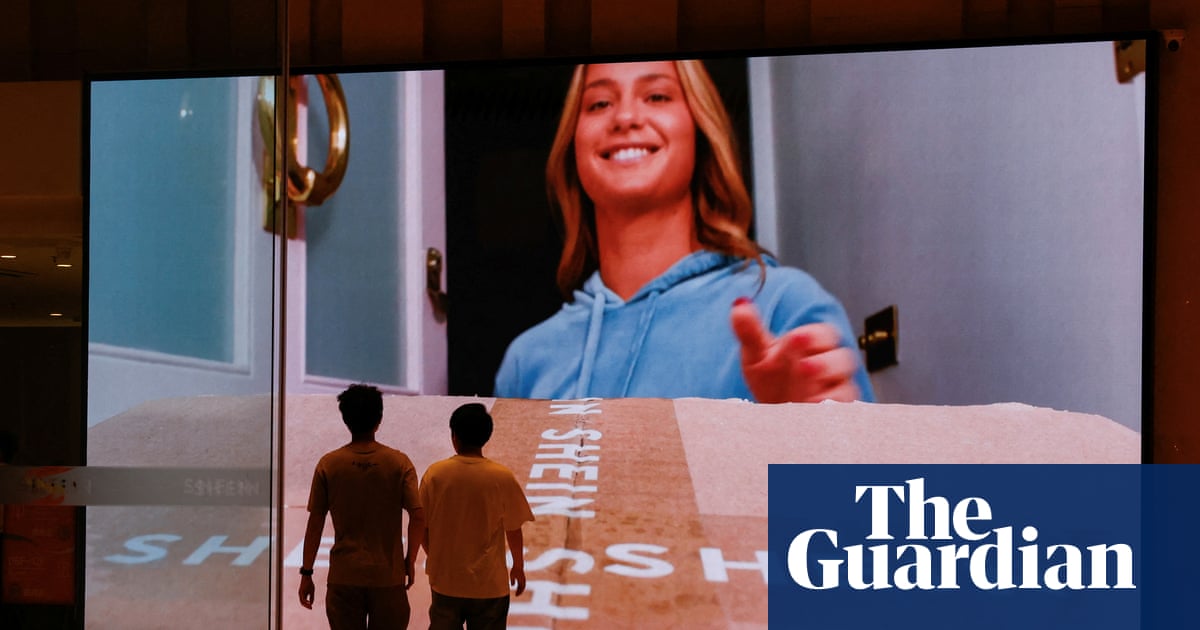
The Ethical Tightrope: Shein vs. Australian Retailers
In the fast-paced world of modern style, where trends flicker and disappear in a blink, the conversation around fashion ethics has become increasingly loud. We’ve all seen the allure of ultra-fast fashion—the thrill of getting that viral silhouette or trend piece without breaking the bank. But beneath the surface of cheap thrills, there’s a growing demand for transparency, a scrutiny of who profits and at what cost. Recently, an industry review has thrown a spotlight on this tension, revealing that the fast-fashion behemoth Shein is carving out a surprisingly strong position when it comes to ethical standards compared to several established Australian retailers. This isn't just about fabric and fit; it’s about the entire ecosystem of production, from raw materials to the final garment hitting your wardrobe.
This report pulls together findings from the 11th Baptist World Aid ethical fashion report, which assessed a vast array of companies across the globe. The methodology itself is complex, designed to answer a crucial question: how strong are the systems in place to protect workers and the environment across every stage of a company’s supply chain? The sheer scale of the data analyzed—over 15,000 data points assessing policies, practices, and performance—gives this review significant weight.
Decoding the Ethical Scorecard
The Baptist World Aid report assessed 138 Australian and international companies representing 543 fashion brands. The overall findings paint a sobering picture of the industry's current state: only 13% of the surveyed fashion companies could demonstrate evidence of paying a living wage to any worker within their supply chain. This statistic alone underscores the systemic challenge facing the sector, highlighting that while consumer demand for affordable style remains high, the foundational support for fair labor is severely lacking across the board.
The report dives deep into five broad supply chain topics: worker empowerment and environmental sustainability. Companies were scored out of 100 based on their efforts to protect workers and the environment throughout everything from gathering raw materials and producing fabrics to manufacturing the final garment. The highest-scoring brands were those that could prove they were meeting a wide spectrum of criteria, such as conducting factory audits, providing workers’ rights training, and rigorously assessing the environmental impact of their top three fibers.
Shein's Unexpected Edge
Amidst this landscape of mixed results, the performance of the ultra-fast fashion giant Shein stood out. Despite being criticized for its environmental footprint and its role in encouraging overconsumption through incredibly cheap pricing, Shein managed to outperform several well-known Australian high street retailers on ethical metrics. Shein received a score of 28 in this report, placing it below the average score of 31.5 for the surveyed group.
What makes this result particularly interesting is how Shein navigated the scoring system against established players. It managed to beat several well-known names, including Myer, Windsor Smith, Ghanda, and Quiksilver owner Boardriders. In fact, some of the lowest-rated companies, like Ghanda and Windsor Smith, received a score of zero. Shein’s ability to improve its score from previous years, which researchers attributed to increased public scrutiny leading to changes in company practices, suggests that external pressure can indeed drive internal shifts toward better standards.
The Retailer Reality Check
The comparison between Shein and the established retailers reveals a stark contrast in operational transparency. The report noted that Shein supplied Baptist World Aid with additional information during the research process, whereas several other companies, including Myer, Seafolly, Ghanda, Windsor Smith, Boardriders, Bec, and Bridge, did not participate in the research project. This lack of participation means these retailers were assessed only on publicly available information, which often tends to yield a lower ranking in such rigorous evaluations.
The findings underscore that transparency isn't just about having a report; it’s about actively engaging with scrutiny. The researchers undertook a "rigorous engagement process," including bulk communications sent to all assessed companies, aiming to ensure they were aware of the research and had the opportunity to participate. However, the reality is that over half of the businesses did not respond, with 58% assessed solely on public data. This highlights a significant gap between what consumers demand in terms of ethical sourcing and the actual level of verifiable disclosure from many major players.
The Broader Context: Waste and Consumption Culture
Beyond the specific brand comparisons, the report situates this fashion debate within a much larger cultural crisis concerning consumption itself. Australia ranks among the world’s highest consumers of textiles per person, with more than 200,000 tonnes of clothing ending up in landfill annually. This massive volume feeds directly into the problem of overproduction, which the report identifies as a growing challenge to sustainability.
This environmental strain is compounded by the lifecycle of fast fashion items. The sheer volume of low-quality donations flooding charity shops—often consisting of items that are already worn out or unsellable due to poor quality—creates an expensive logistical nightmare for charities. Staff face time costs processing these deluge of soiled, often unwearable goods, and disposal becomes a significant financial burden. This cycle shows how the pursuit of cheap, disposable style ultimately translates into tangible waste and operational strain across the entire retail and charitable sector.
What This Means for Your Wardrobe Choices
For the conscious consumer navigating today’s market, this report offers a practical lens through which to view your purchasing decisions. While no single brand is perfect—the lead researcher noted that "everyone has a lot of room to improve"—the data suggests that performance in ethical standards is becoming a measurable factor. When considering a purchase, look beyond the price tag and consider the supply chain story.
The move toward better mobility practices in personal wellness also offers a parallel lesson: focusing on what truly matters—like functional movement and long-term well-being—can yield better results than chasing fleeting trends. Whether you are scrutinizing a garment’s origin or investing time in improving your own physical capacity, the underlying principle remains the same: intentionality leads to better outcomes. The challenge now is for brands to move beyond superficial transparency and embed genuine, measurable commitments to worker welfare and environmental stewardship across their entire operation.
‘People sell their best stuff on Vinted’ – how charity shops became a dumping ground for unsellable clothes
The Baptist World Aid report noted that Australia ranks as the world’s highest consumer of textiles per person, with more than 200,000 tonnes of clothing ending up in landfill every year.
Want our sources?
Enter your email and we’ll send the claim-linked sources used for this article.
We use this address only to send this source list.