In a landscape of algorithmic flow and disposable rhythm, Ferreira’s work stands as a meticulously constructed temple of meaning, where jazz lineage, academic philosophy, and intricate wordplay demand a rare, committed attentiveness from the listener.
As voters head to the polls on 3 November, every claim, ad buy and diplomatic invitation is being tested in public, with the numbers tightening and the kitchen table turning into the campaign trail.
As the 2026 election nears, a doctored Trump post, taxpayer-funded ads, and a drumbeat of election denial are colliding on the airwaves and on the ground.
October 11, 2026 at 4:39 PM CDT
Jonas Smith from Copenhagen, Denmark · Wikimedia Commons · CC BY 2.0
A loose, unscripted line at a Nebraska rally about Iran, Los Angeles and San Diego sparked outrage in California, a White House defense, and a debate over how far a war metaphor can go.
With four weeks to go until the midterms, Donald Trump is touring red states, defending taxpayer-funded ads and a doctored Truth Social post, as his approval sinks and Republicans shift from offense to defense.
In autumn 2026 Donald Trump leans on taxpayer money, a government AI chatbot, phone-number pressure and a border-wall push as midterms approach, testing how far political communication can stretch under his administration.
A civil lawsuit alleging a drugging and gang rape at a Cornell fraternity house has forced a prosecutor to reopen an investigation, reignited a campus debate over how universities handle sexual violence, and set a national conversation on trauma, memory and accountability.
A White House that bans critics, buys its own ads with taxpayer money, and hosts foreign leaders on a balcony where every frown becomes a headline is trying to write the story of its own second term before November arrives.
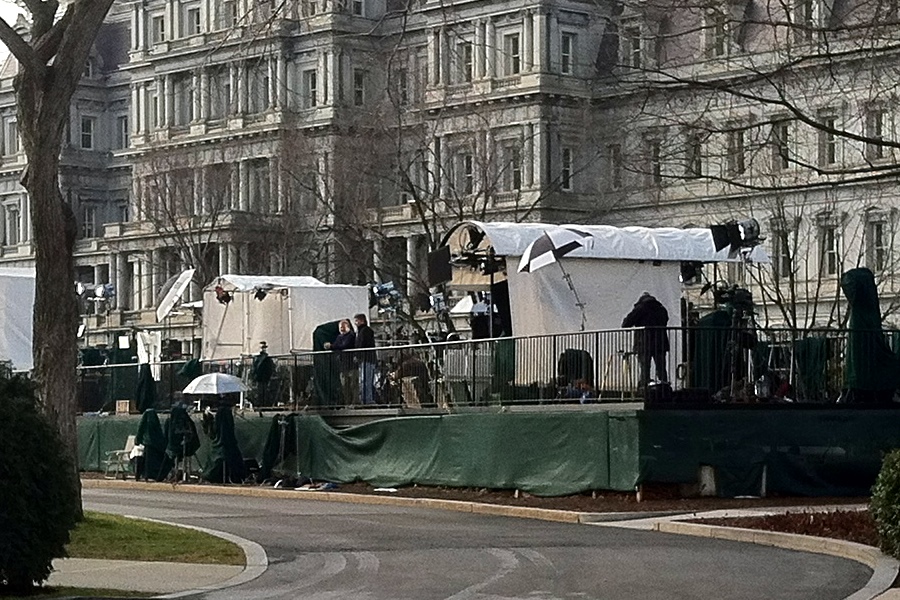
The second Trump administration has turned press access into a weapon, banning outlets, seizing the press pool, and confronting reporters on the sidewalk. The confrontation is personal, public, and rewriting the rules of the briefing room.
A state dinner for Xi Jinping was meant to showcase American hospitality. Instead it became the stage for a standoff over White House access, with a federal court order set aside at the gate and a televised dinner that never aired.
Trump’s White House has moved to ban outlets, seize control of the press pool and redefine access as a privilege. The changes break sharply with the credential tightening under Biden and the restraint of earlier administrations.
On Sept. 22, 2026, President Trump used the United Nations General Assembly to defend seven months of war with Iran, warn Tehran of annihilation if no deal materializes after the midterms, and lay out a winner-takes-all vision for American power.
In September 2026 Donald Trump bars CNN, MS NOW and Politico from the White House while a wave of convention claims and midterm ads test what voters are told about rural health, crime and the economy.
September 19, 2026 at 9:59 PM CDT
SM Entertainment · Wikimedia Commons · Public domain
In 2026 Donald Trump is testing how far a political message can stretch before it snaps, and a chorus of fact-checkers, courts and voters is pushing back in real time.
The Republican Party held its first-ever midterms convention in Dallas on Sept. 9 and 10, 2026. It was a two-day show built around Donald Trump, a $5,000 promise, and a base that is both loyal and uneasy.
At a Dallas convention Donald Trump promised every American adult $5,000 if Republicans keep Congress — a check that would cost more than $1 trillion and cannot be paid without Congress.
The Nashville-based poet builds dense, self-referential albums and leads a Los Angeles community arts project, with new releases stretching from Outstanding Understanding in late 2024 through Sound of Horns in mid-2026.
In Dallas, President Donald Trump turns a midterm convention into spectacle, selling a cash payout, renamed maps and a war story while experts warn the security state he built is fraying.
Washington bans Canadian dairy, alcohol and motorcycles as Ottawa hits back with $20 billion in retaliatory tariffs, turning a once-cooperative neighborly trade into a public standoff.
The Nashville-based poet-producer keeps releasing dense, allusive records and running a Los Angeles community arts program. The work rewards attention, and it resists casual listening.
Counter-tariffs on roughly $20 billion of American goods snap into place as talks collapse, President Trump targets Bombardier, and accusations over steel transshipment fuel a cycle of retaliation.
The far-right Alternative for Germany’s historic win in the east leaves Berlin humiliated, the centre-right in ruins, and Europe watching a template for nationalist gains.