
Music
Kate Nash: Selling Content to Fund Her Tour
Singer Kate Nash reveals her reliance on OnlyFans to fund tours while expressing fury over industry failings, unfair pay, and the dominance of stadium acts.
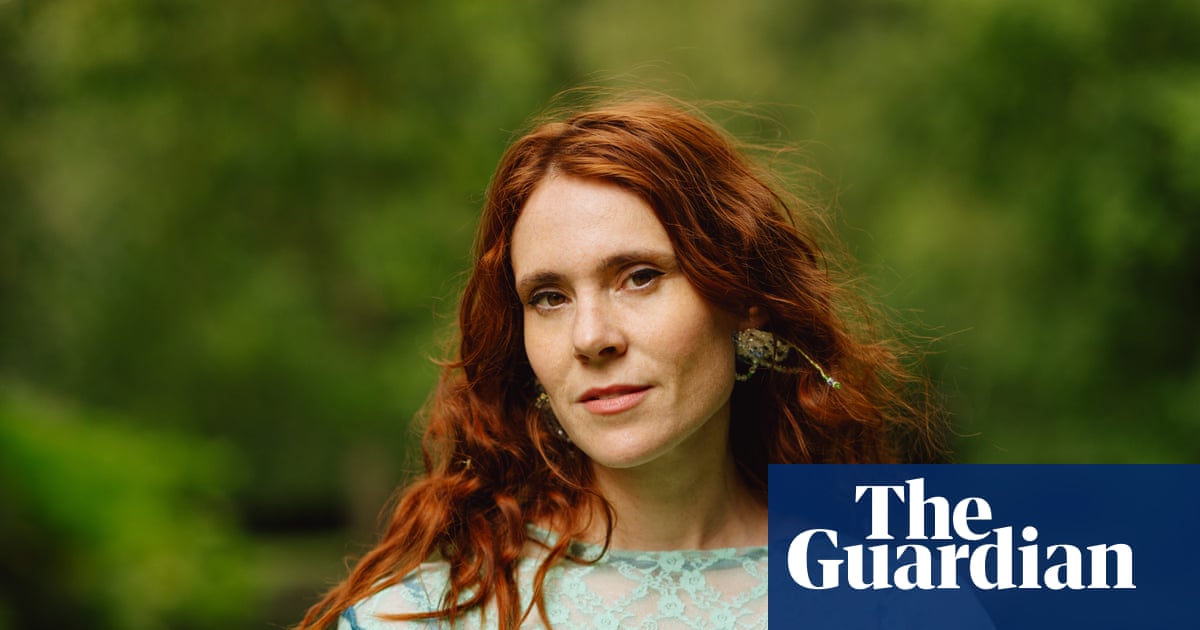
The Price of the Gig: Monetizing Fame
Kate Nash has laid bare the often-unseen financial tightrope walk required to sustain a career in the modern music landscape. Her declaration that she 'have to sell my bum on OnlyFans to go on tour' is more than just a quirky anecdote; it serves as a sharp commentary on how contemporary artists must navigate commercial demands to keep their live presence alive. This necessity highlights a systemic issue: the gap between artistic creation and sustainable income, forcing musicians into unconventional revenue streams.
Nash’s frustration extends beyond personal finances. She speaks about the broader ecosystem, noting that friends are either selling off instruments or facing depression if they choose not to tour. This paints a picture of an industry where survival often hinges on precarious, highly personalized monetization methods rather than stable infrastructure for artists to thrive sustainably. Her anger is palpable when she questions the future trajectory of music, lamenting a potential future dominated solely by stadium acts and the erosion of mid-level scenes that foster genuine cultural depth.
Fighting Back Against the Machine
The narrative surrounding Nash is one of resistance. Her past experiences with tabloid trolling and online harassment—receiving messages questioning her very identity—have forged a fierce resolve. This history informs her current stance against industry failings, evidenced by her dramatic confrontation with platforms like Spotify. The anecdote about throwing a metaphorical brick through the window underscores a deep-seated anger at perceived unfairness in how artists are compensated and recognized.
This fight is rooted in a desire for authenticity and control. Nash expresses a clear aversion to the 'slimy and gross' nature of fame, suggesting that while she embraces success, it comes at a significant cost to her sense of self. Her commitment to exploring her Irish heritage through music, blending traditional instruments with punk and hip-hop, reflects a broader artistic impulse to reclaim narrative control over one’s story, moving away from the manufactured expectations placed upon pop stardom.
The Cultural Stakes
Beyond personal finance, Nash’s comments touch on the very structure of musical culture. Her insistence that mid-level and small gigs are essential for maintaining 'culture and fanbase' suggests a belief that commercial viability must not entirely eclipse artistic diversity. This perspective challenges the monolithic nature of mainstream success, advocating instead for a spectrum of experiences that allows for genuine connection between artist and audience outside of massive arena spectacles.
The story ultimately serves as a snapshot of contemporary artistry: an individual fiercely fighting to maintain creative autonomy while simultaneously engaging with the very commercial mechanisms that often constrain them. It’s a vivid illustration of how artists are forced to become entrepreneurs, using every available tool—from social media monetization to direct confrontation—to carve out space for themselves in a system that often feels rigged against them. Her journey from feeling overwhelmed by fame to actively fighting back defines a modern struggle for artistic integrity.
Contextual Echoes
While Nash’s focus is intensely personal and career-driven, the broader music scene continues to grapple with legacy and performance scale. This tension between intimate, grassroots engagement and massive commercial output echoes themes seen in other musical narratives, such as the lavish, sprawling nature of Stevie Wonder's 50th-anniversary tour, which showcased an immense collaborative effort, contrasting sharply with Nash’s personal struggle for control over her own touring structure.
The very act of using platforms like OnlyFans to fund tours places this conversation squarely in the current era where digital presence is inextricably linked to economic viability. It underscores that for many artists today, the battle isn't just about songwriting; it's about securing the infrastructure to perform and exist outside the shadow of corporate gatekeepers. Nash’s story is a raw depiction of this ongoing negotiation between art, commerce, and personal survival in the 21st-century music business.
Unresolved Questions
The narrative leaves open questions regarding the long-term viability of these hybrid monetization models for artists. While Nash expresses anger at the system, the evidence does not detail concrete structural changes resulting from her actions or the broader industry response to such direct challenges. Furthermore, the extent to which personal financial strategies like OnlyFans are representative of a wider trend among mid-level musicians remains an area requiring further exploration.
The specific impact of Nash’s confrontation with Spotify on future platform policies is not detailed in this report, leaving the ultimate consequence of her actions open to interpretation regarding systemic change in the industry's fairness for creators. The core tension—artistic freedom versus commercial necessity—remains a dynamic one that continues to shape the careers of musicians like Kate Nash moving forward.”' , 1634] } }, 3, 6, [ { headline: 'Kate Nash: Selling Content to Fund Her Tour', description: 'Focuses on the direct link between OnlyFans and touring economics.' }, { headline: 'Fighting Back: Kate Nash on Music Industry Battles', description: 'Highlights her confrontation with Spotify and industry unfairness.' }, { headline: 'The Cost of Fame: Kate Nash on Artist Survival', description: 'Examines the financial pressures and artistic control in modern music.' } ] , .
‘I have to sell my bum on OnlyFans to go on tour’
‘I’ve thrown a brick through the window at Spotify.’
‘Where will we be in 20 years when we only have stadium acts? I’m not dissing those who do it, but I don’t want everything to be mainstream. I also want to see mid-level and small gigs. Without that, there’s no culture and no fanbase.’
‘Fame is slimy and gross.’
Want our sources?
Enter your email and we’ll send the claim-linked sources used for this article.
We use this address only to send this source list.