
Music
Paris Paloma: Arena Drama Blends Feminist Fury and Alt-Pop Edge
Paris Paloma’s recent arena-scale show was a potent mix of feminist rage and accessible melodies. The performance utilized dramatic staging and sharp lyrical jabs at online culture, positioning the artist as an emerging force ready to claim bigger cultural territory.
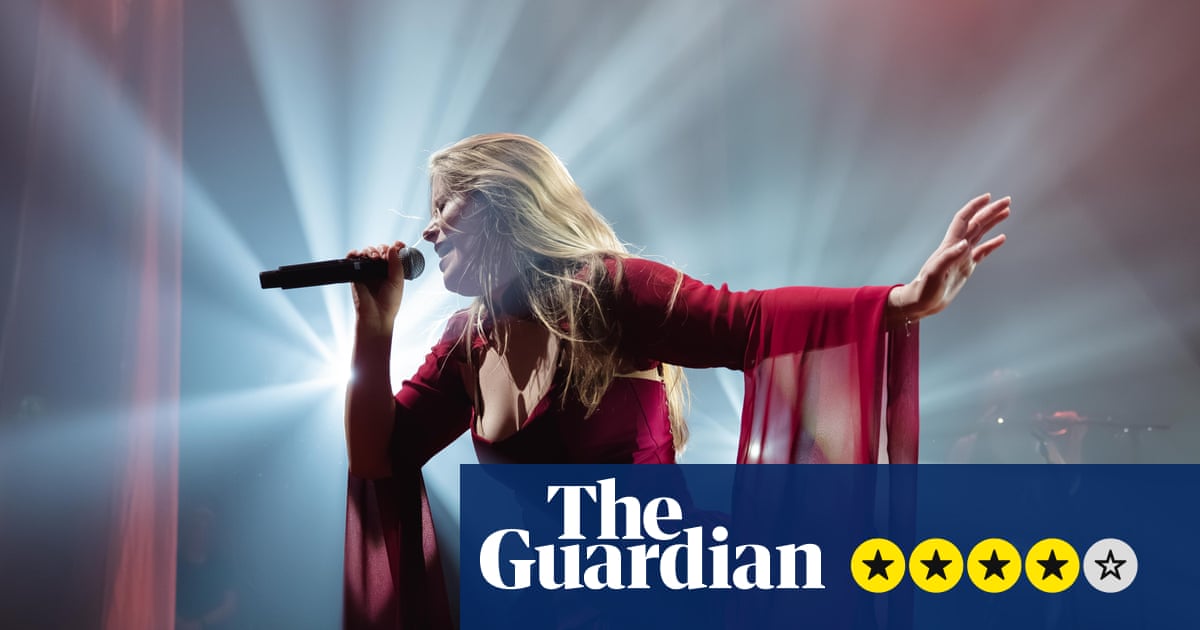
The Arena Drama of Paris Paloma
Paris Paloma has burst onto the scene not merely as a vocalist but as a force of arena-scale alt-pop drama unfolding live. Her recent performance at the Bristol Beacon was characterized by a potent collision of feminist fury and surprisingly accessible melodies, crafting an atmosphere where the audience felt deeply immersed in a moment of cultural reckoning. The sheer energy emanating from the stage suggested that Paloma is firmly positioned on a trajectory toward greater visibility and bigger achievements, using her music as a powerful vehicle to dissect complex themes surrounding identity and the nature of creativity itself.
The visual presentation of the show was equally arresting, employing elements that leaned heavily into surrealism to amplify the thematic weight. A striking sculpture, inspired by Ithell Colquhoun’s ‘Tree of Veins,’ dominated the stage, serving as a stark, almost visceral backdrop for Paloma’s delivery. Her performance style was deliberately dynamic; she fluidly shifted between moments of intense physical expression, such as pogoing, and quieter, more contemplative moments where she sought out wind machines positioned at the prow of the stage. This duality in her movement perfectly mirrored the thematic content of her music, which skillfully blends ornate folk arrangements with the expansive, high-production alt-pop sound favored by acts like Florence + the Machine.
Feminist Fury and Cultural Critique
At the heart of Paris Paloma’s performance lay a sharp, pointed critique aimed directly at contemporary cultural figures dominating the discourse. She channeled timely feminist energy into her setlist, using specific songs to address pressing issues concerning culture and identity in the modern age. A particularly potent moment involved her open disdain for "tech bros" and "manosphere influencers," exemplified by Good Girl’s track, “I will break your nose,” which was shouted out from the stalls with palpable venom. This direct confrontation of online culture underscores a growing trend in contemporary music where artists leverage their platforms to voice strong opinions on complex social dynamics.
Paloma managed this charged atmosphere with an undeniable earnestness that allowed her critique to land with impact. While some critics might dismiss her sincerity when confronting the "day-to-day awfulness" of the current cultural climate, her perspective on celebrating shared experiences proved deeply compelling. She articulated a core belief regarding creativity, asserting, “I won’t let you take it from me,” thereby framing creativity as an essential human need in the face of rising anxieties surrounding artificial intelligence evangelists. Her success in airing these sentiments within an accessible framework suggests she is adeptly bridging intense political commentary with mainstream musical appeal.
Musical Texture and Artistic Lineage
The sonic tapestry woven during Paris Paloma’s set was rich and complex, skillfully blending disparate influences to create a unique soundscape. The music drew heavily from her second album, *The Fatal Flaw*, which masterfully marries intricate folk arrangements with the expansive, arena-sized alt-pop production style that defines much of contemporary stadium music. This fusion allowed her to explore deep emotional territory while simultaneously maintaining a high standard of production quality suitable for large venues.
Her artistic references were layered, indicating a sophisticated understanding of musical history. There was a subtle nod to the poetic sensibility of figures like Patti Smith, visible in Paloma’s desire to be awestruck by art, even when confronting difficult realities. However, this intellectual engagement was tempered by an accessible delivery, ensuring that complex ideas remained accessible rather than dissolving into sonic abstraction. The overall effect was one of dynamic storytelling, where the music itself became the primary vehicle for exploring both personal vulnerability and broader societal fractures.
Contextualizing the Alt-Pop Scene
Paris Paloma’s emergence fits neatly into a broader contemporary musical landscape where artists are actively carving out their space by skillfully blending high-concept dramatic elements with accessible pop structures. Her specific approach—the seamless melding of feminist critique with undeniably catchy melodies—positions her as an increasingly important voice within the current alt-pop conversation. She is not merely observing the scene; rather, she appears to be actively shaping it through her focused thematic exploration of identity and resistance.
This kind of deliberate artistic positioning often serves as a vital stepping stone toward greater visibility in the industry. The review framed the entire show as a potential launchpad for larger achievements down the line, suggesting that the intense drama unfolding on stage is far more than just a single concert event. It signals an artist who is willing to embrace high-stakes performance to articulate a necessary cultural dialogue, thereby cementing her current moment as significant within the broader narrative of contemporary music.
“I won’t let you take it from me,” she belts during Miyazaki, framing creativity as a base need in the face of AI evangelists.
Building upon the ground staked out by her breakout single Labour, her set melds timely feminist fury with open-ended questions about culture and identity.
Want our sources?
Enter your email and we’ll send the claim-linked sources used for this article.
We use this address only to send this source list.