
Interesting Things
Nine New Deep-Sea Sponges Reveal Ocean's Hidden Biodiversity
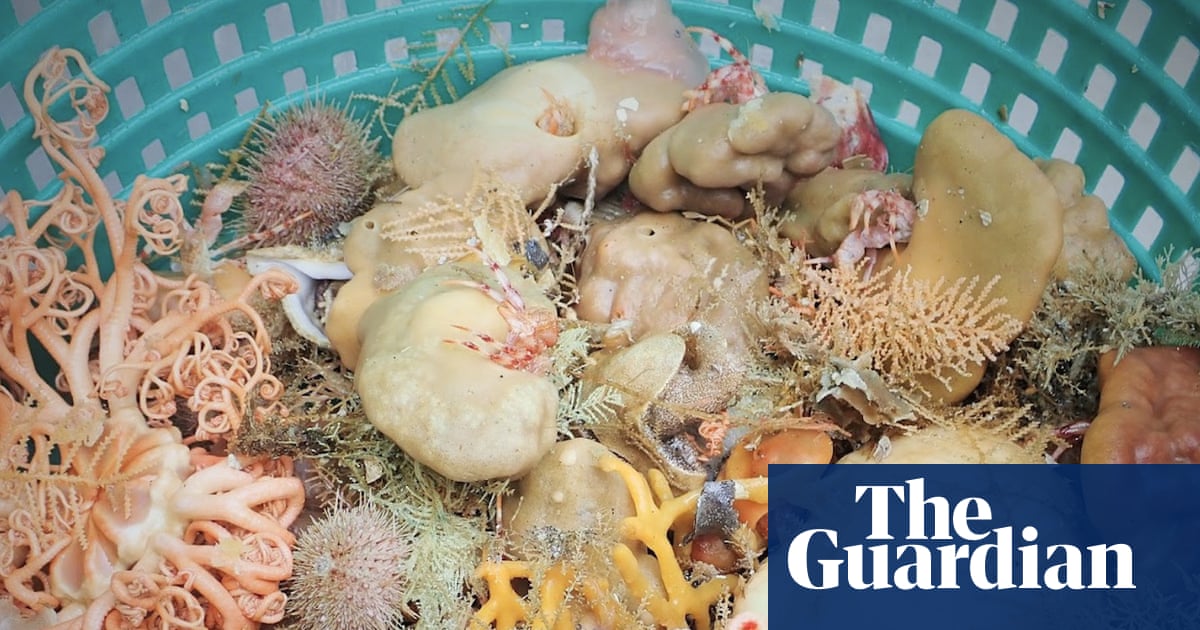
A recent expedition into Alaska's deep waters has revealed nine new sponge species, illuminating the astonishing, yet fragile, biodiversity hidden in the abyssal zones. These sponges are not merely biological curiosities; they are the architects of deep-sea habitats, acting as living water pumps that create essential shelter for countless marine creatures. This discovery forces us to confront a stark reality: the pursuit of deep-sea mining and bottom trawling threatens these vital ecosystems, a-
The Extractive Dilemma: Profit Versus Preservation
The race to exploit the deep sea for minerals and resources pits immediate economic gain against profound ecological responsibility. The recent identification of new sponge species serves as a stark reminder of what we stand to lose if we continue with destructive practices like bottom trawling and proposed deep-sea mining. These activities treat the ocean floor as an infinite resource, ignoring the intricate, slow-growing biological communities that have taken millennia to develop.
The conflict is stark: one side argues for short-term profit derived from extracting minerals used in technology and defense, while the other champions the long-term health of the ocean, emphasizing that these deep-sea sponge gardens act as vital nurseries and shelters. The argument boils down to whether we value immediate, tangible wealth over the complex, unseen biological infrastructure that supports global ecosystems. When scientists discover new life forms, they are not just cataloging data; they are highlighting the fragility of systems we are poised to dismantle.
The implications ripple outward. If we allow these fragile habitats to be destroyed for mining or fishing, we risk losing potential sources for novel biological compounds and disrupt the delicate balance that regulates global climate and marine health. The story of the deep-sea sponges is a powerful metaphor for our broader challenge: learning to coexist with, rather than conquer, the natural world around us. It calls for a reevaluation of what constitutes value—shifting from mere extraction to holistic stewardship.
A New Perspective on Ocean Value
The discovery of these new sponge species forces a necessary recalibration of how we value the ocean. We must move beyond viewing the deep sea solely through the lens of what we can extract—minerals or fish stocks—and start recognizing the intrinsic, irreplaceable value of biodiversity itself. The sponges are not just biological curiosities; they are essential components of the planet’s life support system, providing structure and chemical defenses that inform human science. This realization demands that our policies regarding deep-sea exploration and resource management reflect this profound ecological reality.
The momentum for change lies in recognizing the interconnectedness detailed in the scientific findings. The health of the sponge gardens directly impacts the survival of fish populations, and their unique biochemistry hints at untapped potential for human health. This connection demands that decisions about deep-sea mining and fishing be weighed not just by immediate financial returns, but by the long-term consequences for the entire marine environment. A truly forward-looking approach must integrate this biological reality into every decision made regarding our shared planetary inheritance.
The Future of Deep-Sea Stewardship
Moving forward, the focus must shift toward establishing robust frameworks for deep-sea stewardship. The existence of these newly discovered species and the documented threats from industrial activity necessitate immediate action to protect these fragile environments. This involves implementing stricter regulations against bottom trawling and developing cautious, evidence-based approaches to any potential deep-sea mining activities. The wonder of the deep sea must be balanced with the responsibility to protect it.
The story of the deep-sea sponges is a call to action for global awareness. It demonstrates that the most profound discoveries often lie in the places we are least likely to visit, and that the greatest threats often come from unchecked industrial expansion. By honoring the ecological importance of these hidden worlds, we can begin to forge a future where scientific curiosity and environmental responsibility guide our interactions with the planet’s deepest, most mysterious domains.
Interesting Things
The deep ocean is home to incredible life forms, and recent surveys have unveiled nine brand-new sponge species off Alaska. These sponges are not just interesting biological finds; they are fundamental architects of the seafloor, acting as living water pumps that create habitats for fish and crabs. This discovery underscores how much we still have to learn about the planet's hidden biodiversity before we risk destroying it in the pursuit of resources. The story of these deep-sea sponges is a powerful reminder that what matters most—the intricate web of life beneath the waves—must guide our actions.
These sponge communities are essential nurseries and shelters for countless marine creatures. When we consider their role in filtering water and producing compounds with potential medical applications, the value of this biodiversity extends far beyond mere curiosity. The threat posed by bottom trawling and deep-sea mining highlights a critical tension between immediate economic demands and long-term ecological survival. We are witnessing a moment where the pursuit of profit clashes directly with the need for profound environmental stewardship.
“Sponges are ecologically important,” said Sean Rooney, a Noaa fisheries biologist and co-author of the studies at the agency’s Alaska Fisheries Science Center.
Cooper Freeman, Alaska director of the Center for Biological Diversity, said: “Alaska’s sponge gardens do so much for a healthy ocean, including providing shelter and serving as vitally important nurseries for all kinds of fish and crabs. Bottom trawl fishing is so damaging and unsustainable because indiscriminately destroys the habitats that support future generations.”
Want our sources?
Enter your email and we’ll send the claim-linked sources used for this article.
We use this address only to send this source list.