
Interesting Things
Space Debris and Ownership: The Ethics of Building a New Space Base
As SpaceX plans a $100 billion 'Star Base' in Louisiana, the story pivots on the profound ethical questions surrounding ownership and responsibility in the age of space exploration. This development forces readers to confront the tension between technological ambition and environmental stewardship as we push further into the cosmos.
The Race for Space and the Shadow of Debris
The ambition to build a new SpaceX facility in Louisiana is not just about industrial expansion; it’s a monumental push into the frontier of space. State officials have framed this as a $100 billion investment, signaling an intent to launch thousands of rockets from this location. This massive undertaking brings with it a complex set of questions about where we are going and who is responsible for the path taken there. It forces us to look beyond the immediate engineering marvels and consider the larger context of space stewardship.
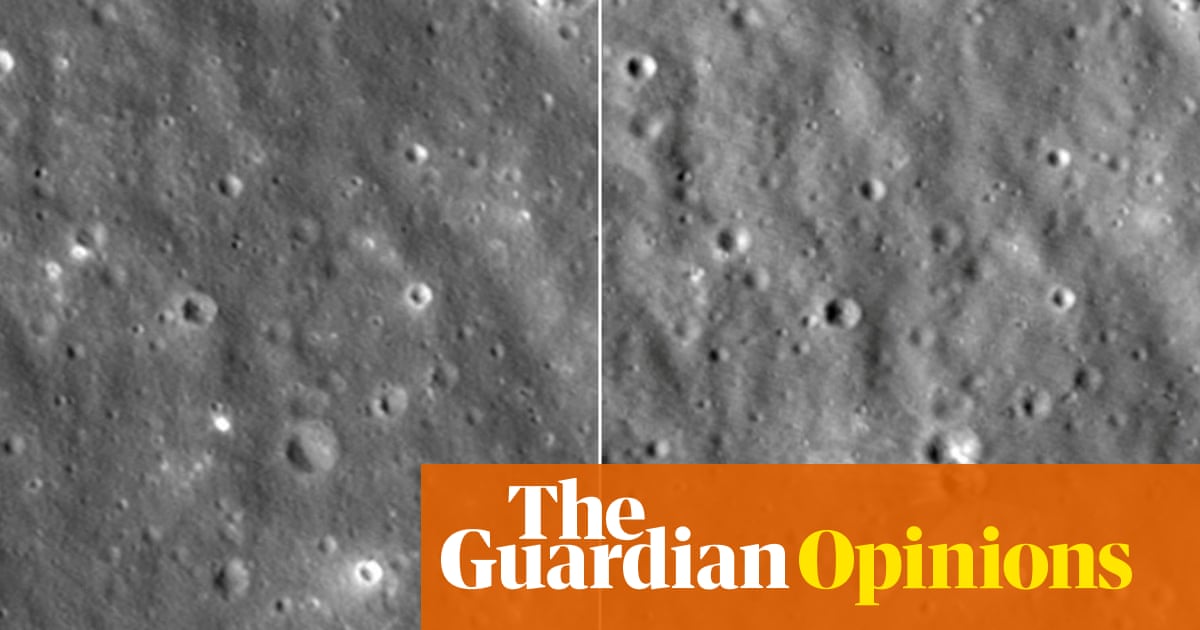
This drive for expansion exists alongside a growing awareness of the physical reality of space operations. As the evidence shows, the very act of launching rockets generates debris that impacts celestial bodies. The story of space junk punching a new hole in the moon serves as a stark reminder that what we leave behind has tangible consequences, prompting deep reflection on ownership and responsibility in this new domain. It’s a collision between boundless ambition and the physical laws governing our environment.
Ownership vs. Stewardship in Orbit
The tension surrounding space exploration is deeply philosophical. One can look at the debris left behind—the fragments circling the planet and striking the Moon—and see a stark contrast between the desire to extract value and the ethical imperative of care. As one observer noted, the industry often treats the sky as a place to dump what it no longer wants, operating under the assumption that there is no consequence for this behavior. This dynamic forces us to ask: who owns the space we are exploring, and what obligations do we have to those environments?
The concept of ownership in cislunar space is currently being defined by capability rather than claim. The evidence suggests that power resides not just in controlling outcomes but in making choices about how we manage the consequences of our actions. When SpaceX pursues these massive projects, they are operating within a framework where the pursuit of extraction often supersedes the concept of stewardship. This dynamic means that the physical reality of space debris—the scars left on the Moon and orbits around Earth—is not just a technical problem; it is a moral one concerning how we treat shared frontiers.
The Louisiana Frontier
The focus on Louisiana as the site for this major infrastructure project places a specific geographic marker on this global debate. The decision to anchor such an enormous endeavor in the state brings local concerns into sharp focus regarding environmental impact and community welfare, even amidst the high-stakes pursuit of space technology. It connects the abstract concept of orbital debris directly to the tangible landscape of the Earth, asking how these grand technological ambitions intersect with local realities.
The scale of the investment—$100 billion—underscores the magnitude of the commitment, yet it simultaneously amplifies the need for transparent accountability. For readers, this story matters because it illustrates the collision between cutting-edge technology and fundamental ethical considerations. It is a mirror reflecting our current approach to managing resources, whether they are physical materials on Earth or the vastness of space above us. We must grapple with the notion that technological progress demands a corresponding evolution in our sense of responsibility.
Why This Matters Now
This story is more than just an update on aerospace development; it’s a crucial examination of the ethics embedded within technological advancement. As we push further into space, the patterns established by current practices—the tendency to extract and leave behind—will define our legacy. The concerns raised about ownership and responsibility in orbit are not abstract academic debates; they are immediate reflections of how we manage risk and value across all domains of human endeavor.
For the everyday reader, understanding this mechanism matters because it frames our relationship with progress. It reminds us that innovation must be tethered to a sense of accountability. The pursuit of the next great leap requires us to redefine what it means to be a responsible steward, ensuring that the incredible potential unlocked by science is balanced by a profound respect for the world we inhabit and the future we are building together. It’s about ensuring that the immense power of innovation serves humanity, not just extraction.
Unresolved Questions
While the plans for the Louisiana 'Star Base' are concrete in terms of investment and scope, the deeper philosophical questions surrounding space ownership and debris management remain open. The mechanism by which entities operate in cislunar space without established international frameworks is still being tested by these very actions. The real challenge lies in establishing a new model of accountability that matches the speed of technological development, ensuring that future endeavors are built on principles of shared responsibility rather than unilateral extraction.
The path forward requires moving beyond simply managing the physical debris to establishing a robust legal and ethical framework for space operations. The momentum of innovation must be channeled toward creating systems where stewardship is the default setting, ensuring that the next great leap into space is defined by collaboration and care, not just capability and cost. This is the critical juncture where technological possibility meets human responsibility in the cosmos we are all entering.
Space junk punched a new hole in the moon. It’s not ours to abuse | Moriba Jah
Want our sources?
Enter your email and we’ll send the claim-linked sources used for this article.
We use this address only to send this source list.