
Lifestyle
Stolen Matisse and Portinari Artworks Recovered by Police in Brazil
Police in Brazil recovered several stolen artworks by Henri Matisse and Candido Portinari following a heist from a library, highlighting the recovery of valuable cultural property.
The practical picture
The recovery of stolen artworks by law enforcement in Brazil touches upon themes of cultural heritage, art value, and the complexities surrounding the illicit trade of high-value items. The incident involved works by Henri Matisse and Candido Portinari, pieces recognized for their significant artistic merit.
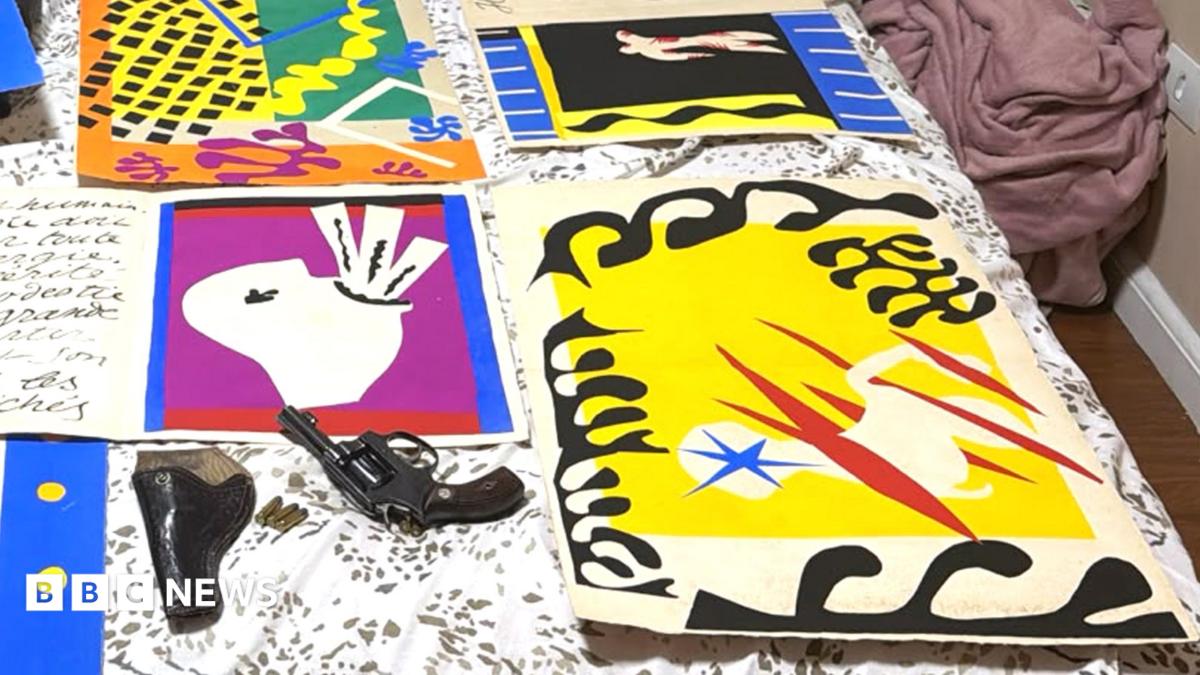
This event highlights the vulnerability of cultural assets when they are targeted for theft. The recovered items included eight illustrations by Henri Matisse and five engravings by Candido Portinari. According to reports, these works were stolen from the Biblioteca Mário de Andrade library in São Paulo in December 2025. The recovery operation involved police in Brazil, which led to the artworks being found at a home in São Bernardo do Campo.
The value of the recovered pieces is noted by sources; the Matisse illustrations alone were estimated to be worth about $200,000 (£148,000), and the works by Portinari were also taken. The context surrounding this theft involves the art's significance; Matisse is widely regarded as one of the 20th Century's most influential artists, and Portinari is a significant Brazilian Modernist artist.
This situation connects to broader themes in the lifestyle sphere concerning the appreciation, ownership, and security of valuable possessions. For collectors and cultural institutions, such events underscore the importance of robust security measures for art and artifacts. The fact that these items were recovered suggests successful intervention by authorities, which is a positive outcome for the art world.
The process involved thieves who targeted the exhibition 'From Book to Museum' on its final day, entering the library and taking the works in a canvas bag before fleeing. The investigation involved multiple arrests related to the heist.
While the immediate focus is on the recovery, the incident serves as a reminder of the risks associated with art theft and the importance of legal frameworks protecting cultural heritage across international borders.
Two masked thieves entered the library by its main entrance in the morning on December 7, 2025, overpowered security personnel and visitors, and made off with the artworks in a canvas bag.
Several artworks by Henri Matisse and five engravings by Candido Portinari were stolen from a library in São Paulo. These items were subsequently recovered by police in Brazil.
The theft is reported to have occurred on December 7 of the previous year (2025), and the recovery was reported on August 14, 2026.
The theft occurred at the Biblioteca Mário de Andrade in São Paulo, Brazil. The recovered artworks were found in São Bernardo do Campo, a suburb of São Paulo.
Police in Brazil recovered the stolen artworks; the theft occurred at the Biblioteca Mário de Andrade in São Paulo, involving two masked thieves who overpowered security and staff.
The recovered works, including Matisse illustrations, are considered highly valuable, with some estimates placing their combined worth at approximately $200,000 (£148,000). This event underscores the ongoing efforts to recover stolen cultural property and the value of fine art.
Additional context
The recovery operation, which spanned international jurisdictions, underscores the intricate and often perilous nature of art trafficking. The fact that these specific works—Matisse illustrations and Portinari engravings—were successfully traced back to a home in São Bernardo do Campo suggests a complex network of movement and subsequent recovery efforts by Brazilian authorities. This process involves not only local law enforcement but also international cooperation, as stolen cultural property often crosses borders, implicating various legal and investigative bodies. Understanding the context of this theft requires looking beyond the monetary value of the recovered items. The loss of these pieces represents a tangible erosion of cultural history, affecting the narrative of modern art and Brazilian artistic heritage. For collectors and museums globally, such incidents serve as stark reminders that physical security measures must evolve to address sophisticated transnational criminal operations targeting cultural assets.
Furthermore, the investigation into how the theft was executed—targeting a specific exhibition day and utilizing methods to evade detection—provides crucial data for developing better protocols against future art heists. Consequently, the significance extends beyond the financial recovery of the art itself. It speaks to the systemic challenges in safeguarding irreplaceable cultural legacies. The successful intervention by Brazilian police demonstrates a commitment to recovering stolen property, but it simultaneously highlights the persistent vulnerability inherent in moving high-value items across borders. This situation prompts a deeper examination of international protocols designed to prevent illicit trade and enhance the security surrounding masterpieces, emphasizing that protecting art requires vigilance at every stage of its lifecycle.
The recovery operation, which spanned international jurisdictions, underscores the intricate and often perilous nature of art trafficking. The fact that these specific works—Matisse illustrations and Portinari engravings—were successfully traced back to a home in São Bernardo do Campo suggests a complex network of movement and subsequent recovery efforts by Brazilian authorities. This process involves not only local law enforcement but also international cooperation, as stolen cultural property often crosses borders, implicating various legal and investigative bodies. Understanding the context of this theft requires looking beyond the monetary value of the recovered items. The loss of these pieces represents a tangible erosion of cultural history, affecting the narrative of modern art and Brazilian artistic heritage. For collectors and museums globally, such incidents serve as stark reminders that physical security measures must evolve to address sophisticated transnational criminal operations targeting cultural assets.
Furthermore, the investigation into how the theft was executed—targeting a specific exhibition day and utilizing methods to evade detection—provides crucial data for developing better protocols against future art heists. Consequently, the significance extends beyond the financial recovery of the art itself. It speaks to the systemic challenges in safeguarding irreplaceable cultural legacies. This situation prompts a deeper examination of international protocols designed to prevent illicit trade and enhance the security surrounding masterpieces, emphasizing that protecting art requires vigilance at every stage of its lifecycle. The successful intervention by Brazilian police demonstrates a commitment to recovering stolen property, but it simultaneously highlights the persistent vulnerability inherent in moving high-value items across borders.
This situation prompts a deeper examination of international protocols designed to prevent illicit trade and enhance the security surrounding masterpieces, emphasizing that protecting art requires vigilance at every stage of its lifecycle. The successful intervention by Brazilian police demonstrates a commitment to recovering stolen property, but it simultaneously highlights the persistent vulnerability inherent in moving high-value items across borders. This situation prompts a deeper examination of international protocols designed to prevent illicit trade and enhance the security surrounding masterpieces, emphasizing that protecting art requires vigilance at every stage of its lifecycle.
Want our sources?
Enter your email and we’ll send the claim-linked sources used for this article.
We use this address only to send this source list.