
Lifestyle
Glass and Silicone: The Future of Mindful Food Storage
Discover how innovative food storage solutions are reshaping kitchen routines, blending aesthetic design with practical functionality. We explore the shift toward sustainable materials and mindful consumption as consumers seek smarter ways to manage their daily meals and budgets.
The New Geometry of Kitchen Efficiency
The way we manage our food has undergone a subtle, yet profound revolution, moving beyond simple containment to embrace functional design. The kitchen, once a place of necessary chores, is now evolving into a space where efficiency and aesthetic converge. This shift isn't just about what we cook; it’s about how we interact with the ingredients from the moment they hit the counter until they are stored for tomorrow. This evolution speaks directly to a modern desire for streamlined living, where every tool serves a purpose beyond its immediate function.
This transformation is beautifully illustrated by the rise of innovative food storage. Gone are the days when meal preparation meant juggling multiple bowls and mismatched containers. Today, we see a move toward systems that integrate cooking and storage seamlessly. The appeal lies in reclaiming time and reducing the mental load associated with daily chores. When you can poach salmon, store the leftovers directly in the vessel, and reheat it effortlessly, the process shifts from a series of separate tasks to a cohesive, satisfying experience.
The square glass containers, for instance, have become a focal point of this change. They offer a unique geometry that is both practical and visually appealing, making meal prep feel less like a chore and more like an intentional act of creation. The ability to neatly fit fillets or casseroles into these shapes, and the ease with which they stack, speaks to a design philosophy that values utility without sacrificing style. It’s about creating order in a chaotic world, one perfectly portioned dish at a time.
Beyond Glass: The Rise of Plastic-Free Versatility
While the sleekness of glass has captured attention, the movement toward truly sustainable and versatile storage has brought forth equally compelling alternatives. The emergence of plastic-free silicone containers represents a significant leap in mindful consumption for the modern home. These materials offer durability and flexibility, appealing to those who prioritize both environmental consciousness and practical functionality in their daily routines. They are not just substitutes; they are an evolution in how we approach food storage.
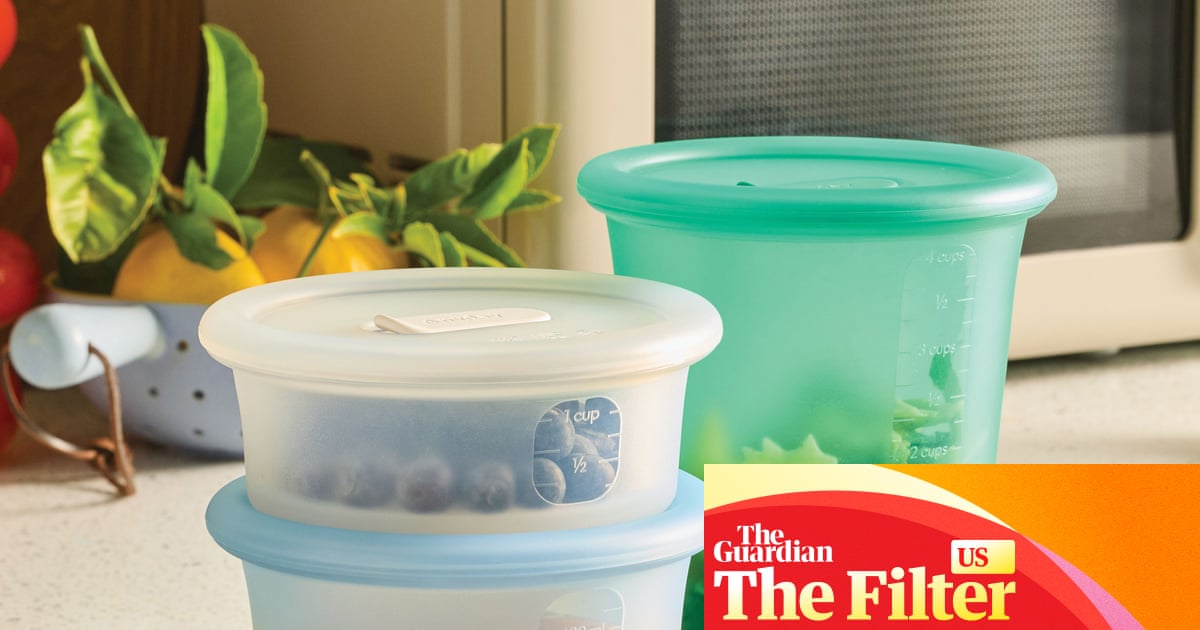
These silicone options, such as the Anydeli line, have proven themselves to be incredibly adaptable. They are designed to handle the rigors of everyday life—from the microwave to the dishwasher—offering a level of versatility that rivals traditional materials. The clever design elements, like vented lids that allow for steam release during reheating, demonstrate an understanding of how to blend high performance with user-friendliness. This focus on multi-functionality is what truly resonates with those seeking intentional living.
The integration of measurement indicators directly onto the containers further solidifies this trend. Being able to measure ingredients right where you store them transforms simple storage into a form of active meal planning. It encourages a more engaged relationship with food, prompting users to think about portion sizes and ingredient combinations in a way that is both practical and aesthetically pleasing. This layered functionality turns a mundane task into an opportunity for mindful engagement.
The Economics of Intentional Eating
This focus on quality and efficiency in the kitchen mirrors a broader economic shift felt across consumer spending. As evidenced by shoppers grappling with rising grocery costs, there is an increasing awareness that value extends beyond the initial price tag. Consumers are actively seeking solutions that offer long-term savings through reduced waste and more efficient use of resources. The investment in high-quality, durable storage tools can be seen as a strategic move to mitigate ongoing expenses.
The trend toward buying fewer, better things is deeply intertwined with this pursuit of efficiency. When food storage solutions allow for better leftovers management and reduce the need for constant dishwashing, they contribute to a feeling of financial relief. The ability to store food effectively means less food goes to waste, which in turn aligns with broader environmental and economic concerns. It’s a tangible way to feel more in control over household spending amidst inflationary pressures.
Ultimately, these advancements in kitchen technology are not just about gadgets; they are about redefining the relationship between the consumer and their food. They encourage a shift from impulsive consumption to thoughtful preparation, fostering a lifestyle where efficiency and well-being go hand-in-hand. The choice of container becomes an extension of a philosophy—a commitment to making smarter choices in every aspect of life, including how we nourish ourselves and manage our resources.
A Reflection on Material Choices
The materials themselves tell a story about contemporary values. The preference for glass speaks to a desire for clarity and an appreciation of natural forms, while the embrace of silicone reflects a commitment to durable, plastic-free alternatives. This duality in material choice reflects a tension in modern life: balancing the desire for pristine aesthetics with the necessity of practical, long-lasting utility. Whether choosing glass or silicone, the underlying goal remains the same: creating a system that supports a more intentional and less wasteful way of living.
This exploration into material choices connects directly to the broader lifestyle trends we see emerging. The focus on secondhand fashion, for example, highlights an appreciation for history and enduring quality, which parallels the desire to invest in kitchen tools that will last and serve multiple purposes. There is a cultural gravitation toward items that possess inherent value, whether that value is aesthetic, functional, or environmental. This mindset informs how we select what we bring into our homes.
In essence, the evolution of food storage is a microcosm of a larger cultural movement: the pursuit of intentional living. It’s about recognizing that small changes in daily habits—choosing a better container, planning meals more deliberately—can accumulate into significant shifts in well-being and environmental impact. These practical innovations provide the framework for readers to build a lifestyle that feels both stylish and responsible, turning the mundane act of storing food into an act of self-care.
The Takeaway for Your Table
For the reader navigating today’s landscape, the message is clear: embrace the tools that simplify and enrich your daily experience. Whether you opt for the clarity of glass or the flexibility of silicone, the goal is to create a system that works for you. By adopting these smart storage methods, you are not just changing how you pack lunches; you are actively participating in a movement toward mindful consumption, reducing waste, and cultivating a more intentional relationship with your food and your home.
This isn't about chasing fleeting trends; it’s about establishing a foundation for sustainable living. It’s about recognizing that practical choices—like choosing durable, multi-functional containers—have deep ripple effects on our environment and our personal peace. Let the kitchen become a space where efficiency meets elegance, proving that smart design can lead to a more beautiful and responsible way of life for everyone at the table.”
.
‘The perfect food storage finally exists’: I tried the new Anydeli plastic-free containers.
Anyday’s new square food containers changed lunch forever for me (and now they’re on sale).
Want our sources?
Enter your email and we’ll send the claim-linked sources used for this article.
We use this address only to send this source list.