
Lifestyle
My Body is on Fire: The Painful Pursuit of Pilates
A raw look at the intense physical and mental journey of embracing Pilates, exploring how this mindful movement challenges conventional ideas of masculinity, self-care, and the pursuit of aesthetic perfection in a demanding modern world.
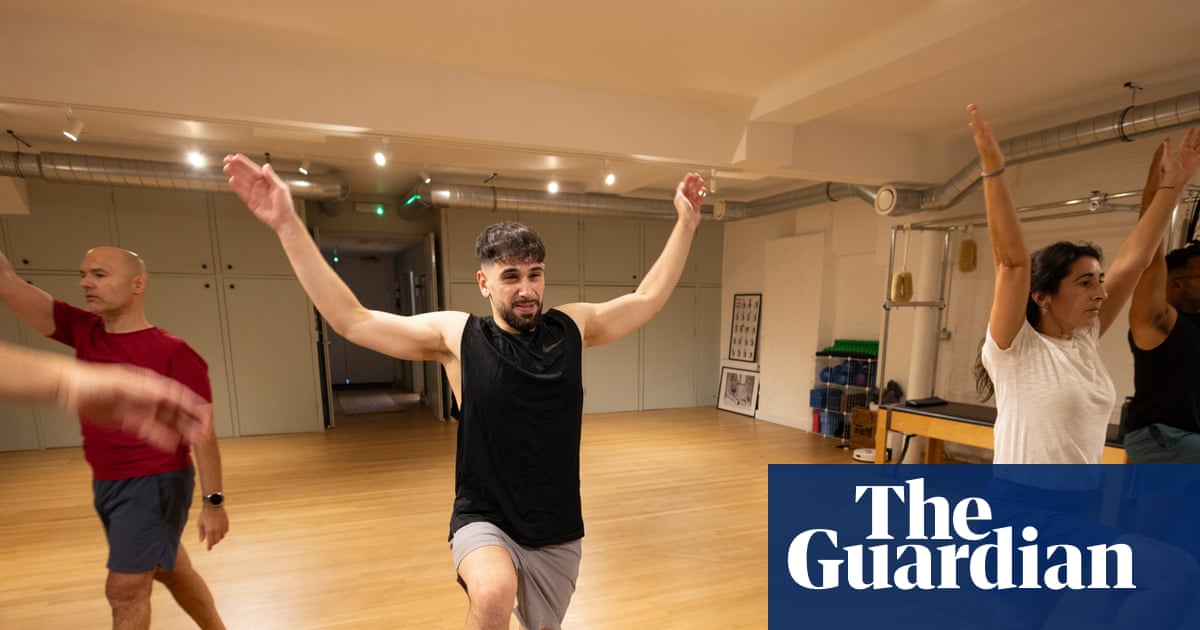
The Painful Pursuit of Core Strength
A growing number of men, including singers Shaggy and Harry Styles, are now exploring Pilates. This shift reflects a broader cultural movement where physical well-being is being prioritized, even amidst the pressures of modern life. The journey into this practice was anything but smooth; it was described as perilous and painful, a true test of physical limits. The initial realization that years spent behind a desk and passive entertainment had eroded core strength and flexibility provided the impetus for change.
The author found that the routine of watching television or playing video games on the sofa had taken a toll, leading to a noticeable lack of physical resilience. Pilates, rooted in Joseph Pilates' original concept as 'contrology,' offered a tangible path back to building that strength, but this path was fraught with difficulty. The initial hurdle was confronting the reality of one's own physical limitations and the unfamiliarity of the movements involved, especially when attempting to master exercises like the hundred or leg circles.
The physical sensations during the sessions were intense. As the author progressed through the exercises, particularly those involving core engagement, such as the hundred exercise where arms were pumped while legs were held in the air, and the leg circles, the body experienced a significant internal burn. This was not merely superficial discomfort; it was a deep engagement with muscles that the participant was unaware of possessing, forcing an awareness of the body's true capabilities.
The process demanded intense focus to manage the physical feedback. The instructor’s repeated corrections were necessary as the author worked to align his form, navigating the intricate machinery of the reformer and understanding how to engage the correct muscles for maximum benefit. This interaction between physical exertion and mental focus is central to the Pilates experience, turning a physical workout into a mindful exploration of self-awareness and control over the body.
Redefining Masculinity in Movement
The narrative surrounding Pilates is also deeply intertwined with evolving cultural perceptions of masculinity. Historically, the practice was sometimes framed as a 'male discipline,' yet it is now increasingly being embraced by men across various demographics. The shift signals a broader societal re-evaluation of what it means to be strong and capable, moving away from rigid, traditional definitions toward a more holistic understanding that incorporates flexibility, strength, and mental presence.
The contrast between the idealized image of the 'pilates princess'—often associated with meticulously curated aesthetics on social media—and the raw, often unglamorous reality of the physical work being done by men like the author highlights this cultural friction. The pursuit of an aesthetic ideal can sometimes overshadow the genuine, functional benefits of the practice, creating a dichotomy between external presentation and internal experience. The author’s struggle with attire, feeling the need to shed conventional gym wear for something that felt more authentic to his evolving self, speaks to this negotiation.
This tension is amplified by the public display of physical transformation. When celebrities like Harry Styles or athletes such as LeBron James praise Pilates, it enters a wider cultural conversation about the role of the body in public life and the pressures placed upon individuals to present an idealized form. Yet, the author’s experience grounds this discussion in personal reality—the genuine struggle against rustiness and physical limitations—offering a more honest lens on self-improvement.
The Mind-Body Connection in Modern Life
Pilates, at its core, is about the connection between mind and body. The intense focus required to execute the movements while simultaneously monitoring physical sensations forces a confrontation with internal states. This practice serves as an antidote to the constant distraction of modern life, demanding presence and attention in the moment. For those grappling with stress or seeking to process personal transitions, this focused engagement can become a powerful tool for grounding oneself.
The experience underscores how lifestyle choices directly impact physical health. The author’s decision to seek Pilates was a direct response to recognizing that sedentary habits had created physical deficits. This links the practice not just to physical fitness but to a broader philosophy of intentional living—the idea that small, consistent acts of self-care can lead to significant, lasting change. It is an exercise in reclaiming agency over one's physical state amidst external pressures.
Furthermore, the discussion touches upon the complex relationship between personal struggle and artistic expression, as seen in other cultural narratives where artists channel trauma into their work. In this context, Pilates becomes a form of self-articulation—a way to process pain and build resilience through disciplined, embodied action. It is a tangible method for translating internal emotional landscapes into physical reality, offering a pathway toward feeling more in control of one's own narrative.
The Evolution of Style and Self-Perception
The fashion surrounding Pilates also reflects this broader cultural evolution. The shift is visible not just in the physical attire—moving away from overly polished, restrictive aesthetics toward something more functional and expressive—but also in how individuals choose to present themselves. The contrast between the highly curated, often image-focused presentation of 'pilates princesses' on social media and the lived reality of the physical effort being undertaken by men underscores a complex negotiation of style, performance, and authenticity.
The author’s decision to embrace a less polished wardrobe—choosing a wrinkled gym vest over carefully coordinated outfits—reflects a desire to prioritize function over fleeting fashion trends. This choice is a subtle but powerful statement against the pressure to conform to an unattainable standard of perfection. It suggests that true style emerges not from external validation or perfectly coordinated looks, but from an internal alignment with one's personal journey and physical reality.
Ultimately, this month of Pilates serves as a vivid illustration of how personal experience can reshape one's relationship with the world. It demonstrates that finding balance is not about achieving a perfect state, but about navigating the 'perilous' and 'painful' process of becoming more aware, stronger, and more comfortable in one's own skin. It is a testament to the power of embodied experience as a catalyst for personal growth, regardless of the external pressures surrounding fashion or societal expectations.
The Legacy of Embodied Wisdom
The history of Pilates itself offers context for this modern pursuit. Originating from Joseph Pilates’ disciplined approach during wartime, the method carries a weight of historical resilience. When contemporary figures like Shaggy and Harry Styles adopt it, they are engaging with a legacy that speaks to endurance and control, reinterpreting it for a contemporary audience navigating new forms of physical and emotional complexity. This act of adoption is itself a form of cultural commentary.
The journey from feeling rusty and out of shape to experiencing the intense burn of a challenging workout illustrates a profound lesson: true mastery comes not from avoiding difficulty, but from engaging with it fully. The pain experienced during these sessions becomes a marker of genuine progress, a signal that the body is responding to intentional effort rather than resisting it. This embodied wisdom suggests that confronting discomfort is essential for unlocking deeper levels of physical and mental capacity.
In the end, this personal exploration into Pilates transcends mere fitness; it becomes an exploration of self-perception. It’s about accepting the 'messy' nature of human experience—the pain, the struggle, and the eventual, imperfect realization of strength. It encourages readers to value the internal journey over external perfection, reminding us that true well-being is found in the authentic engagement with our own physical selves, even when the process feels overwhelming and 'on fire'.
‘My body is on fire!’: my perilous, painful, perfect month of pilates
Want our sources?
Enter your email and we’ll send the claim-linked sources used for this article.
We use this address only to send this source list.