
Music
Macklemore Launches Free Palestine Tour for Humanitarian Aid
Rapper Macklemore launches a free tour across Europe to raise funds for Palestinian humanitarian aid, sparking debate over artistic expression and political accountability in the music industry.
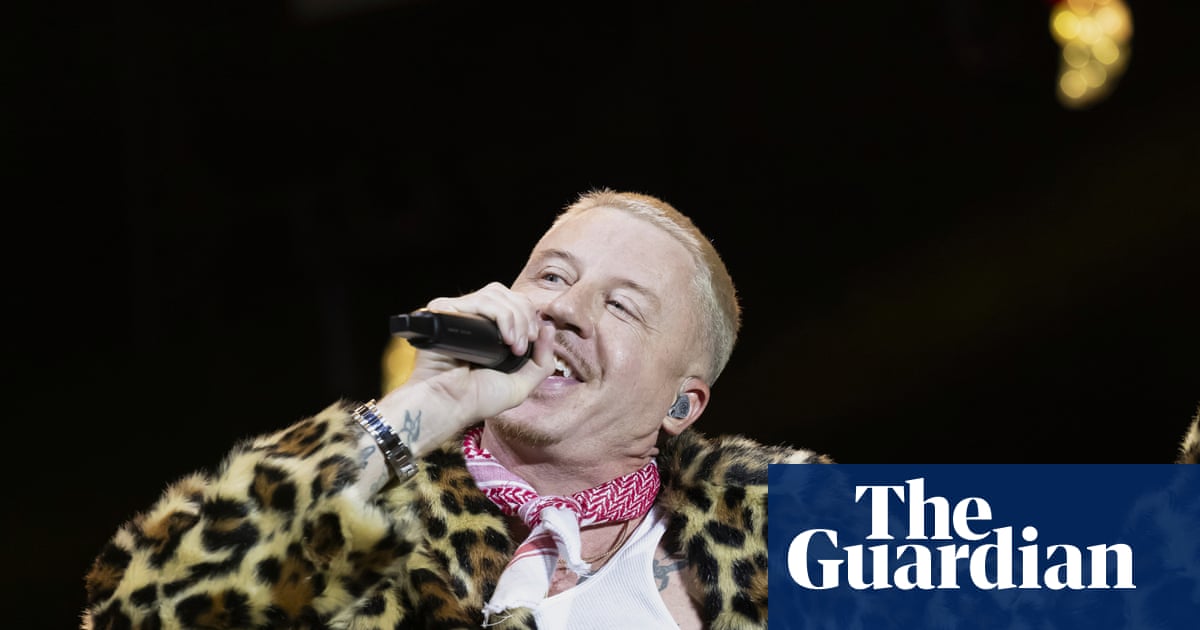
The Art of Solidarity: Music as a Political Platform
The music world is increasingly being forced to confront the uncomfortable intersection of art and politics. The recent actions by artists like Macklemore, who used their platforms to voice calls for liberation, are no longer confined to the realm of personal expression; they become direct engagements with global struggles. Macklemore’s announcement of a 'Free Palestine' tour, slated for stops in Dublin, Paris, and London, signals a deliberate use of music as a vehicle for humanitarian advocacy.
This move is deeply embedded in a recent friction point within the industry. The decision to remove Macklemore from Ed Sheeran’s US stadium tour after he called for recognition of the people of Gaza and the occupied West Bank sparked a significant reaction. Ed Sheeran addressed this, acknowledging 'mistakes' regarding the departure of supporting acts and reflecting on the complex political arguments surrounding freedom of speech and global conflict when artists engage with such weighty issues.
Macklemore’s statement underscored a broader sentiment felt by many artists: that remaining apolitical during periods of intense conflict is no longer tenable. He articulated a sense of collective awakening, suggesting that artists must step up to address the power dynamics that attempt to silence calls for justice. This narrative positions the stage not just as a place for entertainment, but as a necessary space for communal action and accountability in an era where powerful entities seek to control public narratives.
Humanitarian Focus: Funding the Cause
The core purpose of Macklemore’s tour is explicitly humanitarian. The proceeds from these performances are earmarked for various aid organizations dedicated to supporting Palestinians. A list of beneficiary groups shared with the public includes Anera, Glia, Gaza Soup Kitchen, Taawon, Heal Palestine, Palestinian Youth Movement, Middle East Children’s Alliance, Jewish Voice for Peace, Medical Aid for Palestinians, the Institute for Middle East Understanding, Palestine Children’s Relief Fund, and UNRWA USA.
This focus transforms a commercial venture into an act of direct support. By channeling concert revenue toward organizations providing medical care, education, community support, advocacy, and media work connected to Palestinians, the tour directly addresses the tangible needs arising from the conflict in the region. It demonstrates how cultural visibility can translate into concrete material aid on the ground, moving beyond abstract political discourse to practical assistance.
The involvement of numerous organizations underscores the multifaceted nature of the need for support—encompassing medical necessities alongside educational and advocacy efforts. This broad coalition of aid groups reflects the complex reality on the ground, where humanitarian needs are interwoven with political and social realities in Gaza and the wider region. The tour serves as a visible manifestation of this interconnectedness, bringing global attention to these specific needs through the power of music.
The Industry Tension: Artistry vs. Commerce
The controversy surrounding Macklemore’s presence on Ed Sheeran’s tour brought into sharp focus the tension between commercial interests and artistic expression within the music industry. The removal of an artist based on their political stance highlights how commercial decisions can intersect with deeply held moral and ethical considerations for artists and audiences alike. Ed Sheeran's subsequent comments, while declining responsibility for the decision, engaged with the broader implications of such choices.
This dynamic speaks to a larger struggle: whether artistic platforms should be used to amplify personal or political messages, or if they are subject to external pressures that seek to sanitize or control the narrative. The fact that artists are now actively using their stages to push back against attempts to silence calls for justice suggests a growing demand for authenticity and agency in how art is produced and disseminated. The momentum generated by such stand-takes, even amidst commercial fallout, points toward a shift in audience expectations regarding the responsibility of public figures.
Global Reach: A Tour Across Continents
The planned itinerary for the 'Free Palestine' tour spans major European cultural hubs, with announced dates in Dublin, Paris, and London. This geographical scope emphasizes the international nature of the cause and the desire to bring this message to a wide audience across different cultural landscapes. The inclusion of these cities positions the humanitarian appeal within a broader context of European engagement with Middle Eastern affairs and global solidarity movements. While specific North American dates are still being finalized, the initial European leg sets a precedent for an international mobilization.
The tour’s progression through these locations suggests an intent to engage audiences directly in the shared experience of awareness and support. Each city offers a unique cultural lens through which the message of humanitarian aid can be received, adding layers of resonance to the core message. This cross-border movement underscores the idea that solidarity is not confined by borders but thrives in shared human experience and empathy, amplified by artistic expression. The logistical planning for such an endeavor demonstrates the commitment required to translate a political call into a tangible, accessible cultural event.
The Call for Artistic Courage
Ultimately, this development speaks to the evolving role of artists in contemporary society. When artists choose to use their voices—and their platforms—to address profound political and humanitarian crises, they are engaging in a high-stakes act of courage. The friction experienced by Macklemore and Ed Sheeran underscores the ongoing negotiation over who gets to speak, what narratives are permitted, and the responsibility that comes with visibility. The momentum generated by these public stand-takes suggests that the audience is demanding more than mere entertainment; they are seeking art that reflects and responds to the world's most pressing realities.
The tour, therefore, functions as a powerful demonstration of this demand. It is an attempt to use the immense reach of music to foster empathy and mobilize support for humanitarian efforts, demonstrating that artistic power remains a potent tool in shaping public consciousness and driving meaningful change, even when it challenges established commercial or political boundaries. The ongoing work being done by artists like Macklemore highlights the necessity of finding ways to navigate these complex spaces where art, politics, and human suffering converge.
Macklemore posted on Instagram alongside his tour announcement: “If these last couple of weeks have shown us anything, it’s that something has shifted over the last three years. There has been a collective awakening around Palestinian liberation, the power of billionaires that try to censor that call, and what we expect from artists right now. “It’s 2026. Being apolitical during a genocide doesn’t work anymore. People are asking artists to show up, educate themselves and be in community. To use*
Ed Sheeran responded to the backlash over Macklemore’s removal with a written statement in which he declined responsibility for the decision and said: “I am not complicit.”
Want our sources?
Enter your email and we’ll send the claim-linked sources used for this article.
We use this address only to send this source list.