
Music
Superfans Pay Thousands for VIP Access, Reshaping Concert Industry
As superfans increasingly invest in VIP experiences to gain closer access to artists, the concert industry is undergoing a reshaping. This trend forces a conversation about the economics of live music, the tension between exclusive access and egalitarian experience, and how artists balance commercial demands with the pursuit of authentic creative expression.
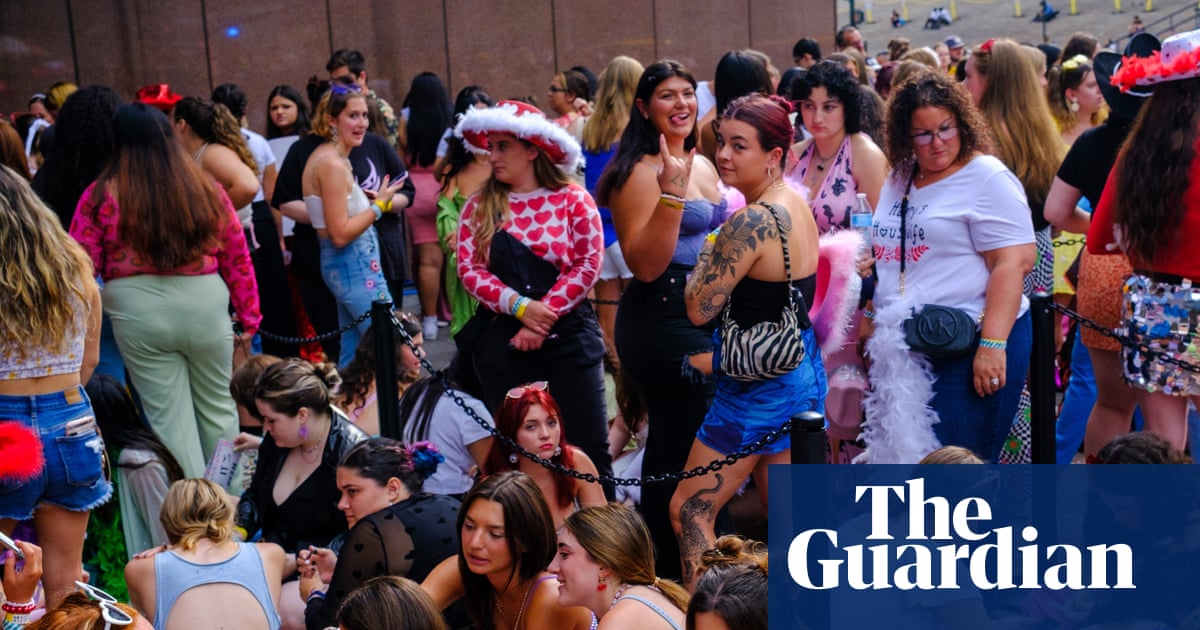
The Economics of Proximity: Superfans and the VIP Shift
The relationship between artists and their audience is undergoing a profound transformation, driven by the desire for deeper connection. Superfans are no longer content with passive observation; they are actively reshaping the concert industry by investing heavily in experiences that grant them closer access to the performance. This shift moves beyond simply purchasing a ticket; it involves seeking out premium opportunities that offer exclusivity and interaction with the artist.
This trend is clearly illustrated by artists who are now offering premium options, such as exclusive merchandise or access to soundchecks, recognizing the growing appetite for these elevated experiences. As Randy Nichols, a longtime artist manager, noted, fans are happy to spend money to secure interactions, suggesting that this revenue stream is becoming a welcome boost for artists as traditional album sales slow in the streaming era. The live music industry is keenly noticing this shift, with some estimates suggesting that appealing to superfans could generate an additional $4 billion annually.
The pursuit of this closeness is intense. For example, one fan noted the desire to be near Harry Styles, feeling a sense of connection when witnessing the performance up close. This dynamic suggests that for many, the financial outlay is less about mere attendance and more about securing a unique, memorable engagement with the art being presented. The venue landscape reflects this tension; while some venues strive to maintain egalitarian access, others are adapting to cater to these high-spending segments.
Artistic Freedom Versus Commercial Reality
The pursuit of this heightened experience exists within a broader context of artistic expression and commercial negotiation. Artists must navigate the fine line between maintaining creative integrity and responding to market demands for spectacle. This tension is palpable when artists consider what they are willing to offer their audience in exchange for that proximity. The industry is grappling with how to balance the desire for authentic connection with the commercial realities of large-scale live events.
This negotiation is further complicated by broader cultural conversations surrounding artistic control and public narrative, as seen in instances where artists have had to manage external pressures related to their work. The demand from fans pushes artists to consider what boundaries they are willing to set regarding their personal space and the performance environment, forcing a re-evaluation of what constitutes an authentic artistic offering in a commercialized setting. This mirrors broader discussions about the role of celebrity and commerce in shaping cultural output.
The Evolution of Artistic Expression
Beyond the immediate concert experience, the evolution of musical expression itself reflects this larger cultural shift. Artists are exploring how to channel personal experiences—whether trauma, personal growth, or social commentary—into their work. This process often involves a negotiation between internal artistic vision and external pressures, leading to new forms of storytelling that resonate deeply with audiences. The willingness of artists to explore these complex themes in their music demonstrates a powerful drive for authenticity.
This focus on internal processing is reflected across the music scene. For instance, some artists use their work to process personal turbulence, channeling difficult emotions into compelling narratives. This artistic journey mirrors the broader societal movement toward valuing personal experience and emotional honesty, suggesting that the art itself becomes a vital space for navigating complex human realities. The way artists channel their experiences—whether through folk-pop introspection or punk's confrontation of systems—demonstrates how music serves as a crucial vehicle for processing life's complexities.
The Sound of Spontaneity and Authenticity
A counterpoint to the high-stakes commercialization of live events is the value placed on spontaneity and raw authenticity in musical creation. Artists who embrace a more fluid, less controlled approach often find success by allowing chaos and spontaneity into their process. This approach suggests that the most resonant art emerges when the creative process is allowed to breathe, rather than being rigidly controlled by pre-set expectations or commercial formulas. This philosophy champions the idea that letting mistakes breathe in the music can lend it a unique, genuine texture.
This emphasis on organic creation contrasts with the highly structured nature of large-scale commercial events. Whether it is an artist exploring personal struggles through their lyrics or a band embracing raw performance energy, the core message remains about finding a way to express the authentic self amidst external pressures. This pursuit of authenticity in music mirrors a wider cultural desire for genuine, unvarnished experiences, whether in art, travel, or daily life. The success of artists like Way Dynamic, who value this creative freedom, underscores the enduring power of letting personal truths shape the final product.
Cultural Echoes in Performance
The performance space itself becomes a site where these cultural tensions play out. When artists bring their personal narratives and artistic explorations to the stage, they engage with the audience on a deeper level. This interaction is not just about delivering a song; it is about sharing a lived experience, which can be incredibly potent. The way artists manage this space—balancing vulnerability with the demands of a large audience—shapes the entire cultural impact of their performance.
The energy generated in these moments, whether it’s the raw intensity of a punk performance or the meditative quality of folk-pop, demonstrates how music functions as a mirror to societal tensions. It allows audiences to witness resilience, emotional processing, and the struggle for selfhood playing out in real time. The cultural significance lies in this shared witnessing, where personal struggles are transformed into communal experiences, reinforcing the idea that art is fundamentally about human connection.
“When you’re up close, you can see him closing his eyes and almost meditating to the music,” Bess said. “You can hear the click of equipment on stage, you just feel very connected to the performance.”
“It’s become more of a norm when you really want to get close to an artist,” said Eddie Meehan, CEO of Please & Thank You, a VIP events company that’s worked with artists including Robyn and Audrey Hobert.
“I’ve been to certain concerts and certain festivals where people wear diapers so they can be front row of the show and that’s been an experience that I have smelled,” said Olivia Rodrigo.
“If you don’t feel safe, tell us and we’ll punch them in the dick!” shouts Phoebe Lunny, the lead vocalist and guitarist.”
Want our sources?
Enter your email and we’ll send the claim-linked sources used for this article.
We use this address only to send this source list.