
Music
Destin Conrad and The Twins Define the Defiant Queer Dancehall Sound
Dive into the vibrant collision of sound and identity as artists like Destin Conrad redefine dancehall, while new electronic fusions emerge. Explore how this musical dynamism mirrors broader cultural shifts in fashion and personal expression, revealing a world valuing authenticity over conformity.
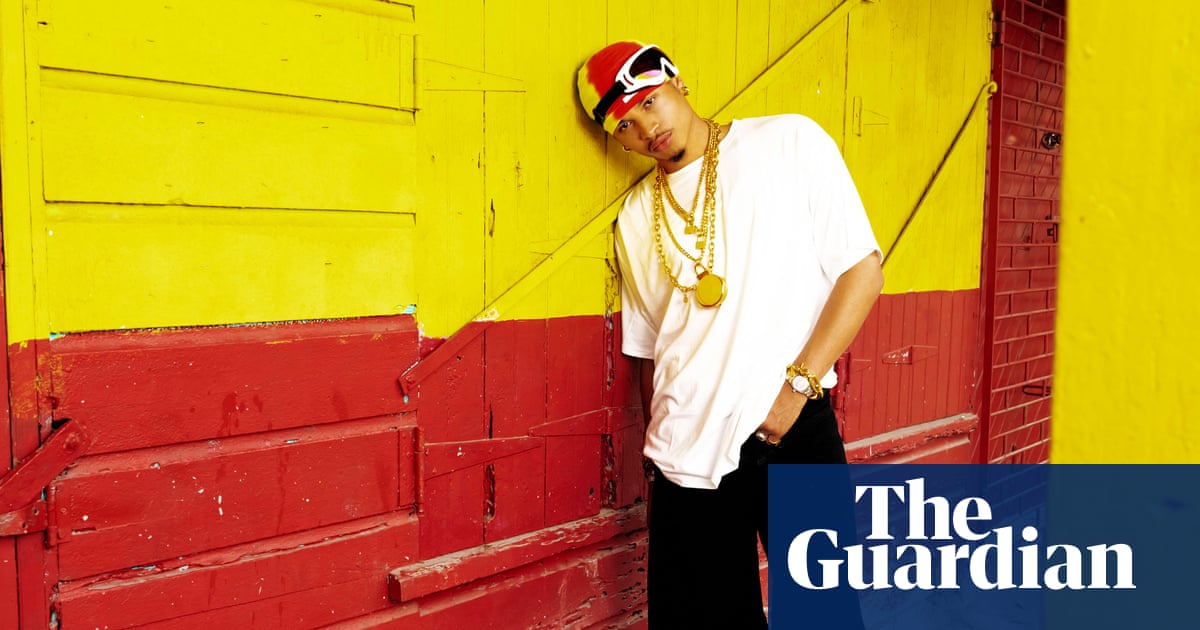
The Defiant Sound of Dancehall and New Electronic Fusions
The current pulse of the music scene is defined by artists who are not just making music, but actively reshaping the very language of rhythm and identity. At the forefront of this movement is Destin Conrad, whose work on *Roadrunner* serves as a vibrant declaration of queer Jamaican roots woven deeply into dancehall rhythms. His artistry doesn't shy away from the genre’s history; instead, it confronts its legacy, using the sound to celebrate freedom and defiance. Conrad’s lyrical approach flips established narratives, taking familiar cultural touchstones and injecting them with swagger and unapologetic self-possession. For example, his interpolation of notorious lyrics serves as a direct act of resistance against bigotry, making the expression of freedom—whether in dance or life—seem inherently fun and undeniable.
This spirit of boundary-pushing is echoed across the broader spectrum of new releases. The emergence of sounds like the 'Bollywood electronic' pioneered by The Twins, Omar and Jamal Ikram, demonstrates a parallel effort to fuse disparate cultural influences into something entirely new. Their sound mixes the melodic sensibilities of South Asian pop with the frenetic energy of contemporary electronic music, creating a texture that is both euphoric and aggressively modern. This fusion speaks to a wider cultural desire to reject rigid categorization and embrace a more fluid, expressive way of existing.
The playlist selections themselves act as a barometer for this shift, highlighting tracks that embody this tension between tradition and radical reinvention. The inclusion of these diverse sounds underscores a movement where authenticity is prioritized over adherence to established genre lines. This focus on internal, lived experience—whether it’s navigating personal struggles or cultural heritage—is what gives contemporary music its undeniable power right now. It signals a shift away from monolithic musical structures toward something more layered and emotionally resonant.
Artistic Evolution Amidst Emotional Landscapes
Beyond the sonic experimentation, the emotional weight carried by contemporary artists is palpable. The music landscape is currently reflecting a deep engagement with personal experience, where artistic creation often serves as a crucible for processing life’s complexities. This theme is powerfully illustrated by the trajectory of artists who navigate significant personal turbulence while maintaining creative output. For instance, the collective mood reflected in recent releases touches upon themes of resilience and the emotional cost of navigating external pressures.
This reflection on internal landscapes finds resonance across various artistic expressions. While some artists focus on the raw expression of their journey, others channel that intensity into meticulously crafted sonic worlds. The ability of music to articulate these complex emotional states—from triumph over adversity to the nuanced experience of personal growth—is what connects these diverse musical narratives. It reminds us that the most compelling art often emerges from the friction between internal reality and external expectation.
The success of artists who manage this duality, whether through confronting personal struggles or mastering complex sonic palettes, demonstrates a powerful cultural mechanism. The music is not just entertainment; it functions as a vital space for processing the human condition, offering catharsis and validation to listeners navigating their own realities. This connection between the artist’s journey and the audience’s experience solidifies the music's role as a mirror to our shared, often contradictory, human experiences.
The Business of Sound: Ownership and Experience
The way music is consumed and valued is intrinsically linked to ownership and the experience provided by platforms. The tension between physical media and streaming services remains a key dynamic in how audiences engage with these evolving sounds. While digital access offers unparalleled reach, the appeal of tangible ownership persists for many listeners who seek a more concrete connection to their artistic consumption. This negotiation between accessibility and tangible engagement shapes the commercial realities of the music industry.
Furthermore, the relationship between artists and their platforms is constantly being renegotiated. The friction artists face in negotiating their relationship with streaming services highlights a larger tension regarding control and compensation in the digital age. Whether it is the celebration of heritage through new sounds or the processing of personal history through art, the underlying theme remains the struggle for authentic expression within commercial frameworks. This ongoing negotiation defines the contemporary music experience.
The cultural significance of these artistic shifts—the embrace of diverse identities in sound and the exploration of emotional depth—is what makes this music vital now. It provides a space where complex realities are not just observed but actively celebrated, pushing the boundaries of what is deemed acceptable in public discourse. The sounds emerging from this space are a direct reflection of a society grappling with evolving definitions of self and community, making the music an essential cultural touchpoint.
The Cultural Mirror: Fashioning Modern Aesthetics
The aesthetic shifts occurring in fashion mirror the broader cultural movement toward authenticity and lived experience. The move away from rigid minimalism towards more expressive styles—embracing 'messy girl' aesthetics, natural influences, and bold colours—reflects a desire to express the full spectrum of human experience. This trend suggests that visual culture is evolving to accommodate a more complex, less curated reality, valuing personal narrative over polished perfection.
This aesthetic evolution is not isolated to fashion; it permeates cultural expression across all media. The way people choose to present themselves visually reflects an underlying desire for authenticity and a rejection of overly sanitized or artificial norms. This mirrors the artistic impulse seen in music, where artists are using their platforms to articulate the messy, beautiful reality of being human. Both spheres demonstrate a collective yearning for spaces where vulnerability is not just tolerated but celebrated as a source of strength.
Ultimately, the cultural impact of these trends lies in their capacity to foster connection. When art and fashion reflect lived experience—whether it’s the emotional depth in a song or the texture of an outfit—they create a shared language that bridges divides. This is where the power of contemporary culture resides: in its ability to validate diverse forms of expression and build communities around shared, authentic narratives, regardless of genre or style. The music and fashion scenes are working together to articulate this evolving vision.
The Soundscape of Modern Life
The sonic environment we inhabit is increasingly layered with the sounds of diverse global influences and personal introspection. The fusion evident in tracks like those from The Twins illustrates how disparate cultural streams can collide to create something uniquely potent, reflecting a world that is simultaneously globalized and intensely personal. This soundscape moves beyond simple genre definitions, embracing complexity and collision as inherent parts of modern life. It’s a sonic representation of navigating multiple realities at once.
This layered approach mirrors the way individuals navigate their own lives—balancing external pressures with internal desires. The music acts as an immersive experience, allowing listeners to step into these multifaceted worlds. Whether it is the raw energy of dancehall rhythms or the intricate layering of electronic soundscapes, the music provides a framework for understanding the complexity of contemporary existence. It’s an invitation to engage with the full spectrum of human feeling, from euphoria to introspection.
In essence, the current musical landscape is a vibrant reflection of a world that values complexity and authenticity. The sounds emerging from this space are not just fleeting trends; they are a tangible expression of a cultural shift towards embracing multifaceted identities and finding strength in the very messiness of human experience. It’s a soundscape built on resilience and the celebration of difference, making it profoundly relevant to readers today who seek depth beyond the surface.
‘I know I make them nervous,’ he winks over the throbbing sub-bass of Nervous. ‘You want fi control me,’ he moans on Obsessed.
We don’t want brown kids to feel like they have to fit into anything,” Jamal said. “People are always gonna try to label what you’re doing, but you don’t have to move like that.”
Want our sources?
Enter your email and we’ll send the claim-linked sources used for this article.
We use this address only to send this source list.