
Interesting Things
Gene Editing and New Insect Species Reveal Nature's Hidden Complexity
Explore the surprising ways biotechnology is being used to engineer nature's resilience against climate change, juxtaposed with groundbreaking discoveries revealing the hidden, complex reality of insect diversity across the globe.
The Biological Toolkit: Engineering Nature for Survival
Imagine the wild world as a vast, intricate garden facing an unprecedented storm. Climate change and environmental pressures are pushing species to adapt at a pace that nature alone cannot manage. This is where the cutting edge of biotechnology steps in, offering not just observation, but potential intervention. Projects funded by bodies like the UK’s ‘invention agency’ are pioneering this approach, treating the planet's biological challenges with the precision of modern science.
These initiatives are moving beyond simple conservation; they are exploring how we can actively harness the power of evolution to help species survive. Think of it like giving nature a set of advanced tools—like mRNA vaccines for humans—to help wild organisms cope with threats like drought or disease. Researchers are experimenting with gene-editing techniques, such as CRISPR-Cas9, on organisms ranging from trees, like the long-lived oaks, to delicate pollinators like butterflies.
The goal is profound: to give nature ‘precision tools’ to adapt rapidly. For instance, scientists are working on editing tree genes so they can develop adaptive responses to drought and invasive pathogens much faster than natural evolution allows. This isn't about forcing a specific outcome; it’s about providing the biological flexibility needed for ecosystems to thrive in a rapidly shifting climate. It is a monumental shift from passively observing change to actively participating in shaping it.
Why This Matters Now: A Call for Integrated Action
Why should this intersection of genetic engineering and insect discovery grab your attention? Because these two threads—biotechnology adaptation and biodiversity revelation—are not separate scientific pursuits; they are deeply intertwined reflections of our current predicament. The ability to engineer resilience in plants and insects mirrors the urgent need to understand and protect the natural systems that provide us with everything, from clean air to stable climates. If we can accelerate nature’s ability to adapt, it offers a pathway toward mitigating some of the most severe climate risks.
Furthermore, uncovering the true scope of biodiversity forces a reckoning with our relationship to the environment. When scientists reveal that there are multiple species where only two were previously known, it shifts our perspective from managing a known inventory to respecting an unknown abundance. This realization fuels a deeper sense of wonder and responsibility. It compels us to move beyond short-term concerns and embrace a holistic view of ecological health—understanding that the fate of human societies is inextricably linked to the health of the wild ecosystems.
Ultimately, these scientific explorations serve as a powerful call for integrated action. Whether we are engineering resilience in the forests or recognizing the intricate lives of insects, the message is clear: innovation must be guided by deep respect for natural systems. The future demands that we use our scientific power not just to solve immediate problems, but to foster a profound appreciation for the astonishing, complex, and fragile life that surrounds us all. It’s about weaving the threads of biology and technology into a shared commitment to a sustainable future.
The Mechanism of Wonder: From Genes to Ecosystems
The mechanism driving this wonder lies in the astonishing interconnectedness of biological systems. When we look at gene-editing for trees or vaccines for butterflies, we are engaging with the fundamental instructions of life—the DNA that dictates how organisms interact with their environment. This is a delicate dance between human ingenuity and natural processes. The idea is to introduce targeted adjustments, much like a precise adjustment in an orchestra, to help the entire system find a more resilient harmony.
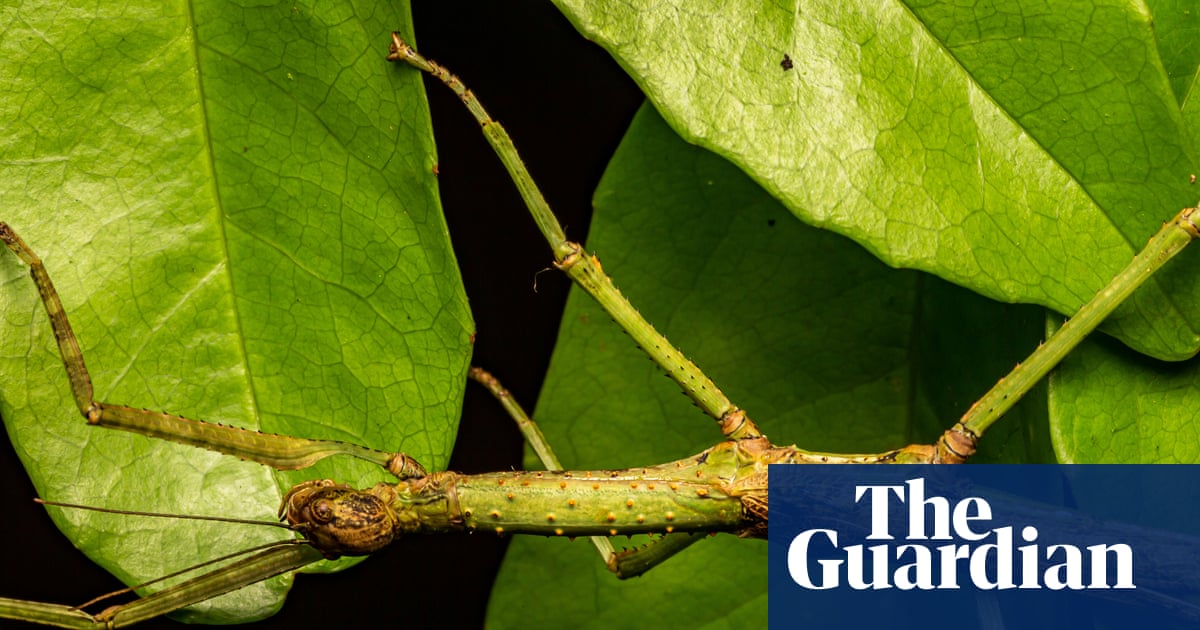
This mirrors the discovery of new insect species. When researchers analyze DNA, they are reading the living history of evolution, uncovering lineages and adaptations that were previously invisible. Finding out there are five species where only two were thought to exist is like discovering a hidden layer in a book we thought we had finished reading—a reminder that the story of life is infinitely richer than our initial assumptions allowed for. This process reveals that complexity is the default setting, not an anomaly.
The reason this matters so much to you, the reader, is because it connects abstract science to tangible reality. It shows us that the world operates on principles of incredible, subtle complexity. By understanding these mechanisms—how genes interact with climate stress, and how small changes in environment reveal vast new life forms—we gain a deeper appreciation for the fragility and resilience of our shared home. It transforms environmental concern from a distant political issue into an immediate, personal call to stewardship.
The Future Landscape: Stewardship Through Innovation
Looking ahead, the trajectory points toward a future where biotechnology and ecological awareness are inseparable. The work being done now—using these powerful tools responsibly—sets the stage for a new era of environmental stewardship. It requires moving beyond incremental changes to embrace transformative thinking that respects both scientific possibility and ecological limits. The promise is not just survival, but the chance to foster ecosystems that are more robust, adaptable, and vibrant.
The integration of these fields suggests a future where conservation efforts are powered by biological innovation. By understanding the genetic mechanisms that allow species to adapt, we can develop strategies that work *with* nature rather than against it. This requires balancing the ambition of technological advancement with the profound humility required when dealing with living systems. The goal is to use our knowledge to create a future where human progress and ecological health move forward in tandem.
The story of these projects—from gene-edited butterflies to newly discovered stick insects—is a testament to the momentum building toward a more informed, compassionate engagement with our planet. It’s a call to look closely at the world, to listen to the subtle signals of nature, and to act with the wisdom that comes from acknowledging the deep, interconnected reality of life itself. The wonder lies in the potential we hold when we choose to see and protect this intricate world.
“This cohort is a first exploration of how we can harness some of the powers of biotechnology to responsibly help wild animals and plants to overcome challenges they face,” said Yannick Wurm, the director of the accelerated adaptation programme at Aria.
“When we went out into the field, and we saw a whole bunch of different individuals that looked morphologically different, and they were also living in … different habitats, that was our first hint that there was a bit more of a complicated story here,” said the study’s lead author, Dr Braxton Jones of the University of Sydney.
Want our sources?
Enter your email and we’ll send the claim-linked sources used for this article.
We use this address only to send this source list.