
World
Florida Cop Accused of Stealing Identity After Finding Man Dead, Authorities Say
A Florida police officer is facing serious charges after authorities allege he exploited the death of a resident to take control of his home and identity, involving significant financial fraud and official misconduct. The case raises serious questions about integrity within law enforcement and the protection of vulnerable individuals post-mortem.
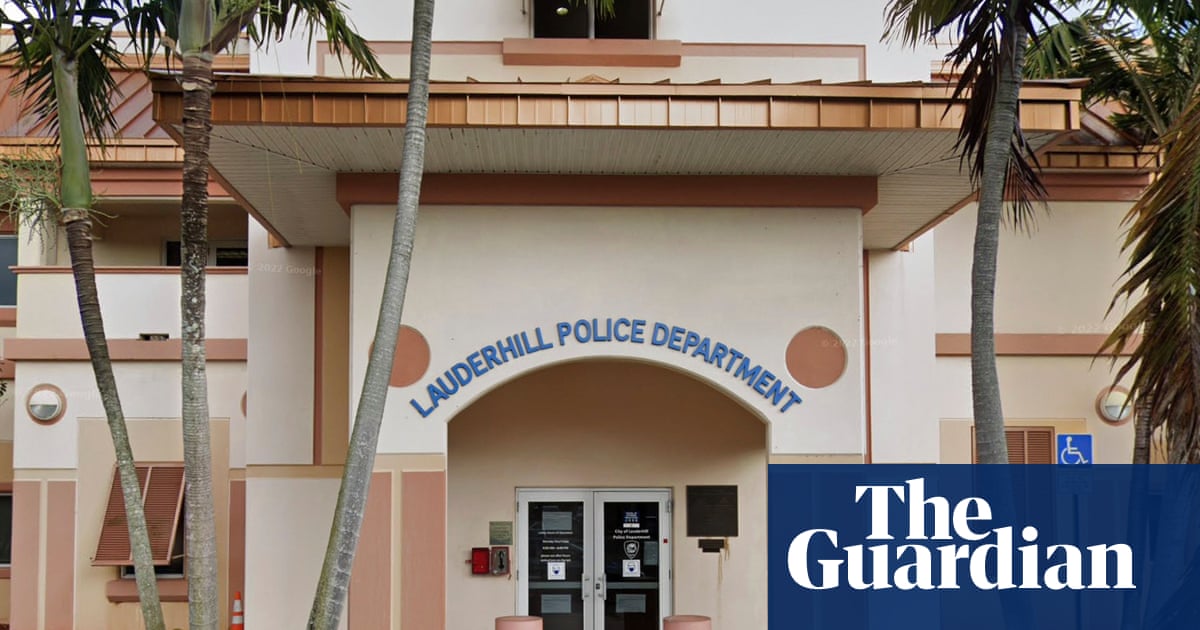
Officer's Scheme: How a Welfare Check Unraveled a Stolen Life
The quiet routine of a welfare check in Florida took a dark and criminal turn when a local police officer discovered a dead man, only to embark on a calculated scheme to steal his home and his very identity. This unfolding story exposes a disturbing intersection of law enforcement authority, personal greed, and the exploitation of vulnerable individuals. What began as a routine duty quickly spiraled into a complex operation involving forged documents, financial manipulation, and years of renovation under false pretenses.
Brian Louis Sguros, a 35-year-old officer with the Lauderhill police department near Miami, was part of a team sent to check on a resident named Dennis West in July 2022, following a call from a worried neighbor. West was ultimately found deceased at his home from natural causes. However, instead of simply documenting the scene, Sguros allegedly initiated a scheme to take control of the property. Authorities allege that Sguros represented himself to the Broward County Medical Examiner’s office as West’s friend, falsely claiming West had no living family—a claim later proven untrue.
The Mechanics of the Identity Theft
The alleged manipulation extended deep into bureaucratic systems, designed to create a veneer of legitimacy around his actions. Investigators uncovered a pattern of deception aimed at securing legal access to the property and manipulating official records. Sguros allegedly paid the taxes and utilities for the home in West’s name, further solidifying his fraudulent claim. Crucially, he used West’s identification to convince the city of Lauderhill to issue a permit necessary for repairs.
The evidence suggests a deliberate effort to maintain the illusion that Dennis West was still alive and capable of managing affairs. A 21-page arrest affidavit detailed allegations that Sguros forged West’s signature on multiple documents. Furthermore, investigators found that Sguros improperly accessed law enforcement databases to obtain sensitive personal details, including West’s driver’s license record, date of birth, social security number, and other identifying information.
Years of Renovation and Financial Gain
The alleged scheme was not a quick grab; it involved a sustained effort over several years to transform the property for personal benefit. Between August 2022 and February 2025, authorities allege that Sguros spent more than $210,000 of his own money upgrading the property. This included significant physical changes, such as replacing doors and windows in 2024.
Sguros maintained in sworn statements and civil pleadings that he took possession of the property because it was hazardous and he wanted to prevent criminal activity or squatting. However, a neighbor later recounted conversations with Sguros where he allegedly discussed plans to rent the property out on Airbnb. This suggests the renovation efforts were geared toward generating income rather than purely mitigating risk, adding another layer to the alleged fraud.
The Exposure of the Fraud
The carefully constructed facade eventually crumbled when external parties intersected with the situation. The alleged scam came to light in August 2025 when a real estate company that had legally purchased the property from West’s heirs sent an employee to take possession. This employee encountered Sguros, who was in possession of the home under fraudulent pretenses.
When confronted, Sguros surrendered the keys but immediately initiated civil litigation against the real estate company, demanding compensation for the substantial money he had invested in the renovations. This legal action served as the final catalyst that brought the officer’s actions into the public eye.
Legal Consequences and Official Action
Following the exposure of these activities, the investigation led to formal charges against Officer Sguros. He appeared in court in Fort Lauderdale on Wednesday facing charges including official misconduct and criminal use of a deceased person’s identification. Authorities placed Sguros on administrative leave with pay after detectives conducted a months-long investigation by the Broward Sheriff’s Office.
Sguros was released on a $25,000 bond. The case highlights serious breaches of public trust, as an officer allegedly weaponized his position and access to official records for personal enrichment and deception. His actions underscore the critical need for oversight within law enforcement agencies to prevent such abuses of power.
Broader Context: Systemic Concerns in Enforcement
While the immediate focus is on this specific case, the underlying evidence points toward broader systemic issues within immigration enforcement and interactions between citizens and federal agencies. Investigations into ICE operations have revealed that hundreds of U.S. citizens have been detained, often under circumstances that raise serious questions about due process and the scope of federal authority.
Reports detailing these detentions show a complex reality where encounters can range from protests to unexpected interactions with immigration officials, sometimes resulting in serious injury to American citizens. Furthermore, documentation indicates that while some individuals face formal charges, many others are held for extended periods without access to legal counsel or family, highlighting significant gaps in the system for those caught in enforcement dragnets.
Sguros represented himself to the Broward county medical examiner’s office as West’s friend, although there is no indication he knew West, and stated that West had no living family, which was untrue.
The investigation also revealed that Sguros paid the taxes and utilities at the home in West’s name and used West’s identification to make it appear that West was still alive to get the city of Lauderhill to issue a permit to facilitate repairs.
Want our sources?
Enter your email and we’ll send the claim-linked sources used for this article.
We use this address only to send this source list.